How to Choose Fall Prevention Equipment for Your Business

Choosing fall prevention equipment is not a simple purchasing task. It is a practical safety decision shaped by work height, surfaces, movement, weather, and worker behavior. A roofing crew needs different protection from warehouse staff using elevated platforms. The right solution must fit the actual work, not only the product description.

Walk through the site before comparing suppliers. Notice open edges, fragile surfaces, ladders, loading areas, and changing work zones. Ask workers where they feel unstable or rushed. Their answers often reveal risks that a checklist misses. A harness may look suitable, yet poor sizing can restrict movement or encourage unsafe adjustments. That assumption is easy to make—and often wrong.

Reliable selection combines hands-on experience, technical guidance, and documented inspection practices. Review manufacturer instructions, equipment ratings, user training needs, and compatibility between connected components. A qualified safety professional can help assess hazards and confirm whether the planned system suits the task. Keep inspection records, replace damaged parts, and revisit the decision after layout changes or near misses. Do not treat equipment as a permanent answer. Conditions change. People do too.

This guide explains how to compare fall prevention equipment with clearer judgment. It considers usability, durability, maintenance, worker acceptance, and total cost. The cheapest option may create hidden expenses through downtime or misuse. A more expensive system may still fail if workers cannot use it confidently. Good protection should feel practical at the point of work, not merely impressive in a catalog.
How to Choose Fall Prevention Equipment for Your Business

Define Workplace Fall Hazards and Equipment Requirements

Choosing fall prevention equipment starts with defining the hazard, not browsing catalogs. Walk the worksite during normal and unusual tasks. Look above loading bays, mezzanines, roof edges, ladders, and open floor sections. Record height, distance, surface condition, access frequency, and nearby machinery. A wet concrete aisle creates a different risk from an unprotected platform. Ask workers where footing changes unexpectedly. Their observations often reveal hazards missed during office-based reviews. Keep photographs and measurements with each assessment.

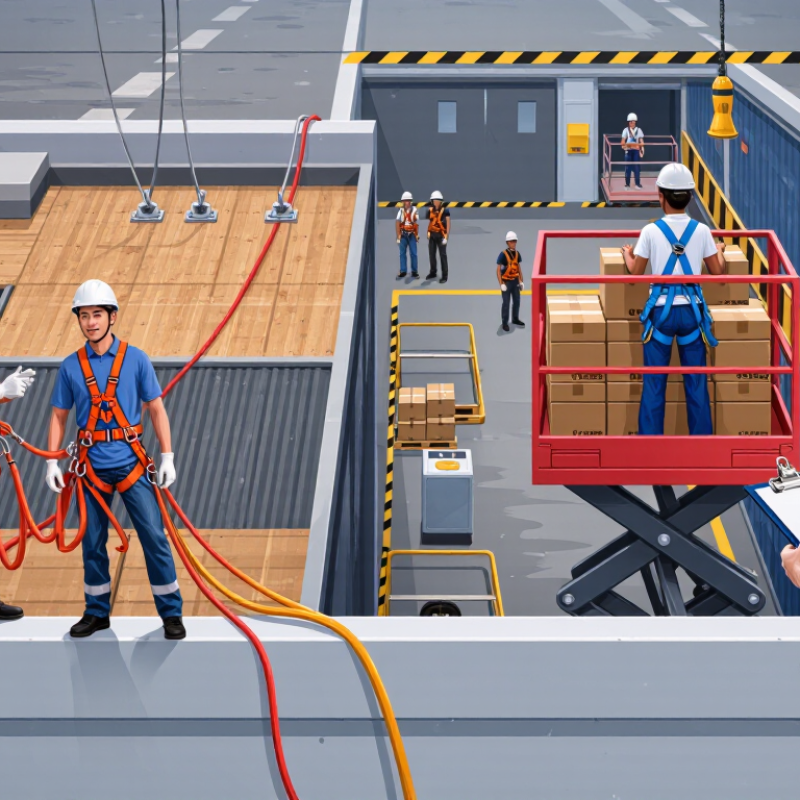
Match equipment to the task and the possible fall path. Guardrails may suit fixed edges and frequent access. Personal systems require compatible anchor points, correctly fitted harnesses, and a rescue plan. Covers must resist expected loads and remain visibly marked. Temporary barriers need stable bases and routine inspection.

Check clearance below the user, including equipment length and body movement. Verify capacity, inspection intervals, training needs, and storage conditions against instructions and applicable workplace rules. A competent person should approve the selection and document why it fits.

Do not assume one solution protects every shift. Conditions change. Contractors, weather, lighting, and rushed maintenance can alter the risk. Reassess after layout changes, incidents, or near misses. I have seen teams choose equipment that looked robust but blocked emergency access. That mistake was avoidable. No checklist is perfect. Invite a worker to challenge the plan before installation. Then test the procedure in a controlled setting, record weaknesses, and correct them before relying on the equipment.

Assess Employee Needs, Work Areas, and Potential Fall Heights

Choosing fall prevention equipment should begin with people, not product catalogs. Observe how employees move, reach, climb, and carry materials during real shifts. Ask maintenance workers about slippery floors, awkward access points, and tasks that feel rushed. A short interview may reveal risks that a written procedure misses.

Walk through each work area at different times. Check mezzanine edges, loading docks, roof openings, ladders, platforms, and temporary work zones. Record floor conditions, available anchors, clearance below, and nearby machinery. Potential fall height matters, but it is not the only concern. A fall from a low platform can still cause serious injury. Rescue access also deserves attention. Equipment that stops a fall but delays rescue creates another hazard.

Match controls to the task. Guardrails may suit a permanent platform, while travel restraint can prevent workers from reaching an exposed edge. Personal fall arrest systems require compatible components, adequate clearance, training, inspection, and a practical rescue plan. A qualified safety professional should verify the selection against applicable regulations and site conditions. Fit matters too. One-size solutions often fail smaller workers or restrict necessary movement.

Do not rely on a single checklist. Conditions change. Inspect equipment before use, document defects, and review incidents or near misses. Reassess after layout changes, new machinery, or seasonal weather. I have seen teams focus on equipment ratings while overlooking poor lighting and rushed handovers. That mistake is easy to repeat. Worker feedback should remain part of every review.

Compare Guardrails, Safety Nets, and Personal Fall Protection

How to Choose Fall Prevention Equipment for Your Business

Guardrails, safety nets, and personal fall protection solve different problems. The work area determines the better choice.

Guardrails are usually the clearest option for busy roof edges, platforms, and walkways. They protect everyone without requiring workers to connect equipment repeatedly. Check the rails, posts, gates, and toe protection during regular inspections. A loose section near a loading area can create a serious exposure.

Safety nets work below elevated platforms and construction openings. They need suitable clearance and secure installation. Workers must not place tools on the net or treat it as a storage surface. Inspect for cuts, heat damage, contamination, and sagging. The space underneath matters. Obstructions can reduce the net’s effectiveness.

Personal fall protection suits tasks involving movement or temporary access. A complete system may include a full-body harness, connecting device, anchor, and rescue plan. Every part must match the worker, task, and available clearance. A short roof task may still require careful anchor positioning. Training cannot be skipped.

I would not choose equipment from a checklist alone. Walk the site at the worker’s height. Watch how materials move, where people step, and what happens during an emergency. One easily missed issue is suspension after a fall. Rescue arrangements should be practical, accessible, and rehearsed. Equipment also needs inspection by a trained person before use. Mistakes happen, especially during rushed maintenance. Reflecting on near misses can reveal weaknesses that routine paperwork misses.

Verify Equipment Standards, Fit, Inspection, and Maintenance

Choosing fall prevention equipment begins with standards, not price.

The U.S. Bureau of Labor Statistics reported 844 fatal falls to a lower level in 2023. That figure makes verification a practical duty, not paperwork. Check whether harnesses, lanyards, anchors, and lifelines meet applicable OSHA requirements and ANSI/ASSP Z359 criteria. Confirm test markings, product instructions, load ratings, and compatibility. A strong-looking connector can still be unsuitable.

Fit must be checked on the actual worker. The dorsal D-ring should sit between the shoulder blades. Leg straps should feel secure without restricting movement. Loose webbing can change arrest forces during a fall. Before every use, inspect stitching, webbing, buckles, labels, connectors, and energy absorbers. Remove equipment after a fall, severe impact, chemical exposure, or serious damage. OSHA recommends inspection and maintenance under qualified oversight, while manufacturers specify cleaning and storage limits. Keep gear dry, shaded, and away from sharp edges, oils, and heat. Record inspection dates and findings. Records are useful, although they cannot replace careful hands-on checks. A rushed inspection is not an inspection. Practice reveals uncomfortable problems, such as difficult rescues, poor anchor locations, or workers avoiding bulky equipment. Reassess the setup after task changes, weather exposure, or near misses. Safety decisions should be reviewed honestly, even when the equipment passed yesterday.

Create a Training, Use, and Emergency Response Plan

Choosing fall prevention equipment starts with the work, not the catalogue. Walk through each task and identify edges, openings, ladders, platforms, and changing surfaces. Guardrails and covers may protect workers without requiring constant action. Personal fall arrest equipment may suit areas where collective protection is impractical. A competent safety professional should verify anchor strength, clearance, compatibility, and worker fit. Equipment must match the person, task, environment, and rescue method.

Training should be practical and repeated. Show workers how to inspect harnesses, adjust straps, connect equipment, and recognize damaged components. Let them practice near ground level before entering exposed areas. Explain swing-fall risks and the minimum required clearance. Keep attendance records, inspection forms, and equipment histories. The emergency plan needs named responders, reliable communication, access routes, and a suitable rescue kit. Call for medical assistance when needed, and avoid improvised rescues that create another fall hazard. Run a short drill with realistic noise, weather, and blocked access. A trial may reveal missing keys or unclear responsibilities. That is useful. Fix the gaps, then repeat the drill. Managers should review incidents, near misses, and worker feedback before changing equipment or procedures. Even strong plans can fail when a shift worker has not practiced them.