
10 Best Incontinence Care Products for Global Buyers
Choosing suitable incontinence care products is a practical decision shaped by comfort, absorbency, skin health, and daily routines. Global buyers also face different product standards, sizing systems, climates, and delivery conditions. A product that works well in a cool office may feel unsuitable in a humid home. Small details matter.
This guide reviews ten widely used product categories and compares their intended uses, materials, leakage protection, fastening systems, and care requirements. The discussion draws on manufacturer specifications, professional continence-care guidance, and common user experiences. It considers adult briefs, pull-up underwear, washable options, bed protection, cleansing wipes, skin barriers, and related supplies. Clear limitations are included, because marketing claims do not always reflect real-world performance.
No single product fits everyone.
Fit should match body shape, mobility, and leakage level. Buyers should also check ingredient lists, return policies, size charts, and local import requirements before ordering. People with persistent leakage, pain, skin damage, or sudden changes should seek advice from a qualified healthcare professional. This article does not replace medical assessment.
Some comparisons may remain imperfect. User feedback can be subjective, and product availability changes between regions. Even absorbency ratings may use different testing methods. For that reason, careful trial purchases are often wiser than buying large quantities immediately. The best choice is usually the one that supports dignity, protects skin, and remains manageable throughout the day. Practical evidence matters more than impressive packaging.
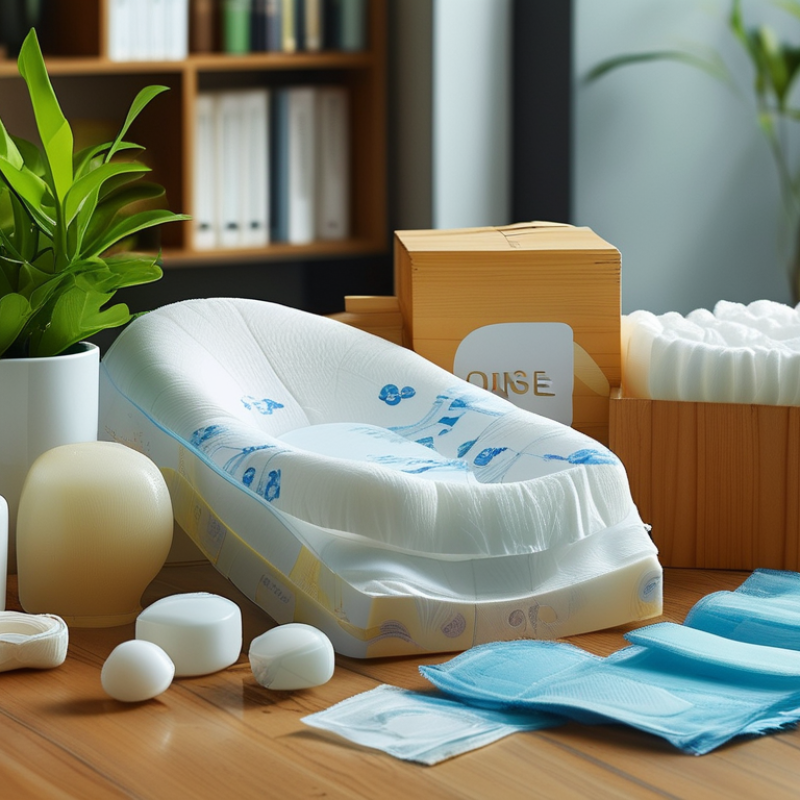
Understanding Incontinence Types and Care Needs Worldwide
Incontinence is not one condition, and care products should not be chosen by absorbency alone. Stress incontinence may cause leakage during coughing, lifting, or exercise. Urge incontinence often creates sudden, difficult-to-delay needs. Overflow incontinence can involve frequent dribbling, while functional incontinence may result from limited mobility or memory problems. Bowel incontinence requires different protection and careful hygiene.
Global buyers should consider product type, body shape, daily fluid loss, climate, and access to washing facilities. Options include light pads, pull-up underwear, tab-style briefs, reusable garments, bed underpads, and cleansing products. A hot climate may require breathable materials and more frequent changes. A wheelchair user may need easier side openings. A caregiver may value clear sizing and secure fasteners. A product can look ideal online and still leak in real use. Fit matters more than marketing language.
Tips: Measure the waist and hips, then check the actual size chart. Start with moderate absorbency when needs are uncertain. Change wet products promptly to reduce odor, discomfort, and skin damage. Use gentle cleansing and a suitable barrier cream when recommended by a healthcare professional. Keep a short leakage record; timing, activity, and fluid intake can reveal useful patterns. Sudden incontinence, pain, fever, blood, or new confusion needs medical assessment. It is easy to overfocus on the product, but the person’s dignity, routine, and safety matter just as much.
10 Best Incontinence Care Products for Global Buyers - Understanding Incontinence Types and Care Needs Worldwide
| Rank | Product Category | Primary Incontinence Type | Recommended Care Need | Typical Absorbency / Protection | Best Use Case | Important Selection Factors | Global Buyer Notes |
|---|---|---|---|---|---|---|---|
| 1 | Adult Tab-Style Briefs | Moderate to heavy urinary or fecal incontinence | High absorbency, frequent changes, and assisted care | Moderate to high; product capacity varies by design and size | Bedridden users, limited mobility, overnight care, and caregiver-assisted changes | Waist or hip measurements, adjustable tabs, leakage barriers, skin-friendly materials, and caregiver access | Check local sizing standards and disposal regulations; absorbency claims are not standardized worldwide. |
| 2 | Adult Pull-Up Protective Underwear | Light to moderate urinary incontinence | Independence, discretion, and active daily living | Light to moderate; some designs are suitable for overnight use | Walking users, travel, work, shopping, and self-managed toileting | Elastic fit, tear-away sides, odor control, discreet profile, and ease of pulling on and off | Useful where cultural preferences favor underwear-like products; confirm whether the product is unisex or gender-specific. |
| 3 | Male Guards | Light to moderate male urinary leakage | Discreet protection for anatomically targeted leakage | Light to moderate; designed for urine rather than fecal incontinence | Post-void dribbling, coughing, sneezing, exercise, or mild urgency leakage | Adhesive strip, anatomical shape, breathable backing, secure placement, and underwear compatibility | Not a substitute for a full brief when leakage is heavy or bowel incontinence is present. |
| 4 | Female Shaped Pads | Light to moderate female urinary leakage | Discreet daily protection and odor management | Light to moderate; select higher-capacity designs for urgency leakage | Stress incontinence associated with coughing, lifting, exercise, or childbirth-related pelvic floor weakness | Length, width, adhesive stability, moisture-wicking top sheet, and underwear fit | Urinary pads should not be confused with menstrual products; packaging and labeling requirements vary by market. |
| 5 | Booster Pads | Moderate to heavy urinary incontinence | Additional absorbency inside a compatible brief or pull-up | Adds supplementary capacity; does not replace a properly sized primary product | Long journeys, overnight use, or situations where changing access is limited | Flow-through design, correct placement, compatibility with the outer product, and leakage control | Avoid products that block the outer brief’s absorbent core; follow the manufacturer’s compatibility instructions. |
| 6 | Disposable Underpads | Urinary or fecal leakage affecting beds, chairs, and furniture | Surface protection and easier cleaning | Light to high surface protection depending on size and absorbent core | Bed changes, post-operative care, changing tables, wheelchairs, and home-care furniture | Dimensions, waterproof backing, non-slip surface, absorbent core, and disposal method | Select dimensions that cover the risk area without creating folds that can compromise comfort or skin safety. |
| 7 | Washable Bed Pads | Recurring urinary leakage and occasional fecal accidents | Reusable protection and reduced disposable-product consumption | Moderate to high, depending on absorbent layers and dimensions | Home care, long-term use, pediatric or adult care, and locations with regular laundry access | Wash temperature, drying requirements, waterproof layer, laundering durability, and colorfastness | Consider water availability, electricity, laundry facilities, and local waste-reduction priorities before purchasing. |
| 8 | Reusable Incontinence Underwear | Light urinary incontinence | Discreet, washable protection for routine daytime use | Light to moderate, depending on absorbent panel construction | Active users who prefer reusable garments and can manage washing and drying | Accurate hip measurement, panel coverage, seam comfort, laundering instructions, and drying time | Buy multiple garments to allow rotation; reusable products are not automatically more sustainable without suitable laundering practices. |
| 9 | No-Rinse Cleansing Foam or Wipes | All types, especially frequent leakage and assisted care | Perineal hygiene and removal of urine or stool residue | Provides cleansing rather than absorbency | Bedside changes, travel, limited bathroom access, and routine caregiver hygiene | Fragrance-free formulation, skin compatibility, pH suitability, package size, and disposal instructions | Use gentle cleansing rather than vigorous rubbing; avoid flushing wipes unless explicitly labeled as flushable and permitted locally. |
| 10 | Moisture Barrier Cream or Ointment | All types, particularly frequent urinary or fecal exposure | Protection against moisture-associated skin irritation | Provides a protective barrier rather than absorbency | Routine skin care after cleansing and drying, especially for users with fragile skin | Zinc oxide or petrolatum-based barrier, fragrance-free formula, easy application, and compatibility with absorbent products | Apply a thin, even layer to clean, dry skin; seek clinical advice for persistent redness, broken skin, pain, or suspected infection. |
Related Posts
-

What Are the Best Body Support Cushions for Comfort?
-
10 Best Arthritis Care Solutions for Global Buyers?
-
Top Quality Canes and Crutches from China for Global Buyers?
-

2026 Top Elderly Care Equipment Innovations You Need to Know?
-
Top 10 Mobility Accessories Equipment for Global Buyers?
-

Best Transport Chairs Equipment for Easy Mobility Solutions?