10 Best Arthritis Care Solutions for Global Buyers?

Choosing among arthritis care solutions requires more than comparing prices or product features. Global buyers need reliable evidence, qualified guidance, and practical outcomes. Arthritis affects joints differently, and treatment responses can vary widely. A solution that helps one person may disappoint another.

Rheumatologist Dr. David Felson has emphasized, “There is no single best treatment for everyone with arthritis.” This principle shapes the ten solutions discussed in this guide. They include clinical care, physical therapy, supportive devices, medication options, and daily movement strategies. Each option should match the buyer’s diagnosis, mobility needs, age, and existing health conditions. It should also come from a transparent supplier with clear instructions and traceable quality standards.

Look closely.

A dependable arthritis care solutions provider explains ingredients, materials, risks, and expected results. It does not promise a cure. It does not hide limitations. Buyers should check professional credentials, product testing, return policies, and local medical requirements before purchasing. These details matter when products cross borders or enter long-term care routines.

Experience also matters. A knee brace may feel supportive during a market walk, yet restrict movement if fitted poorly. A digital therapy program may seem convenient, yet fail without regular feedback. These practical gaps are easy to overlook.

No list is perfect. Personal assessment remains essential. Readers should treat this guide as a starting point, not a replacement for advice from a licensed healthcare professional. The strongest choices combine evidence, comfort, safety, and realistic daily use.

10 Best Arthritis Care Solutions for Global Buyers?

Understanding Arthritis Types, Symptoms, and Care Needs

10 Best Arthritis Care Solutions for Global Buyers

Arthritis is not one condition, and treatment should not follow one simple template. Osteoarthritis often causes pain after activity, stiffness, and reduced joint movement. Rheumatoid arthritis may bring swollen, warm joints and morning stiffness lasting over 30 minutes. Gout can create sudden, severe pain, often in the big toe. Psoriatic arthritis may combine joint pain with skin or nail changes. Symptoms can overlap, so a medical assessment matters.

Care needs differ by diagnosis, age, mobility, and daily routine. A person with knee osteoarthritis may benefit from supportive footwear, gentle strengthening, and pacing. Someone with inflammatory arthritis may need prescribed medicine and regular monitoring. Heat can relax stiff muscles, while cold packs may ease short-term swelling. Use a cloth barrier and limit exposure time. Products should feel stable, washable, and easy to handle. Comfort alone does not prove effectiveness. I have seen people choose rigid supports that actually restrict movement too much.

Tips: Record pain timing, swelling, triggers, and morning stiffness for one week. Share this diary with a qualified healthcare professional. Ask whether exercise, weight management, splints, or medication fits your condition. Seek prompt medical advice for a suddenly hot, very swollen joint, fever, or unexplained weakness. Care plans may need adjustment. Even good advice can fail when it ignores climate, work demands, or cultural habits.

Evaluating Pain Relief and Anti-Inflammatory Treatment Options

10 Best Arthritis Care Solutions for Global Buyers?

Evaluating Pain Relief and Anti-Inflammatory Treatment Options

Arthritis care should begin with the condition, not the product label. The World Health Organization reports that 1.71 billion people live with musculoskeletal conditions worldwide. Osteoarthritis affected about 528 million people in 2019, according to WHO data. Pain relief may involve topical anti-inflammatory medicines, oral nonsteroidal anti-inflammatory drugs, physical therapy, exercise, heat, cold, weight management, injections, assistive devices, or surgery. These options are not interchangeable. Topical treatment can reduce knee pain with less whole-body exposure. Oral medicines may help more widely, but stomach, kidney, heart, and blood-pressure risks require professional review.

Clinical guidance supports regular movement and strengthening for many osteoarthritis patients. The American College of Rheumatology strongly recommends exercise and topical anti-inflammatory treatment for knee osteoarthritis. Yet guidelines are not personal prescriptions. A painful, swollen joint may signal another disorder, including inflammatory arthritis. That mistake can delay proper care.

Tips: Global buyers should check active ingredients, dosage instructions, manufacturing standards, and local registration. Avoid products promising instant cartilage repair. Ask whether clinical evidence applies to your joint and diagnosis. Also review interactions with blood thinners, kidney disease, ulcers, or pregnancy. The U.S. Food and Drug Administration warns that nonsteroidal anti-inflammatory drugs can increase cardiovascular and gastrointestinal risks. I would compare evidence before price. Cheap relief can become expensive when monitoring is ignored.

Comparing Physical Therapy, Exercise, and Mobility Support

10 Best Arthritis Care Solutions for Global Buyers

Comparing Physical Therapy, Exercise, and Mobility Support

Arthritis care works best when support matches the person, not just the diagnosis. The World Health Organization reports that 1.71 billion people live with musculoskeletal conditions worldwide. Osteoarthritis affected about 528 million people in 2019. These figures show the scale, but they do not explain each user’s pain, balance, or home environment.

Physical therapy offers assessment, movement retraining, and practical pain-management skills. A therapist may adjust chair height, walking patterns, or stair technique. Exercise supports joint function and general health. The World Health Organization recommends regular physical activity, while clinical guidance commonly favors low-impact options, such as swimming, cycling, and strength training. Short sessions can be more realistic than ambitious routines. Pain should not be treated as a success measure.

Mobility support, including canes, walkers, and transfer aids, can reduce fall risk and preserve independence. However, poor fitting may increase wrist strain or create unsafe posture. Buyers should check adjustability, weight, grip comfort, replacement parts, and local professional fitting. The Cochrane Library has reported benefits from exercise for osteoarthritis pain and physical function, although results vary by program and adherence. That limitation matters. A device cannot replace rehabilitation, and therapy cannot remove every environmental barrier. Selection should involve clinicians, users, and caregivers where possible.

10 Best Arthritis Care Solutions for Global Buyers

Comparison of exercise, physical therapy-related care, medication, and mobility-support options using the 2019 American College of Rheumatology/Arthritis Foundation osteoarthritis guideline. Strong recommendations are scored as 2 and conditional recommendations as 1; this index reflects recommendation strength, not guaranteed individual outcomes.

Guideline scope: adults with hand, hip, and/or knee osteoarthritis. Treatment selection should consider diagnosis, contraindications, comorbidities, access to rehabilitation, and clinician guidance.

Source: Kolasinski et al., 2019 American College of Rheumatology/Arthritis Foundation Guideline for the Management of Osteoarthritis of the Hand, Hip, and Knee.

Exploring Assistive Devices, Home Care, and Lifestyle Changes

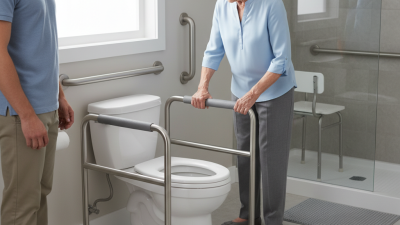
Managing arthritis at home often begins with small, practical adjustments. Assistive devices can reduce strain during dressing, cooking, and bathing. Long-handled shoehorns, jar openers, raised toilet seats, and lightweight utensils may protect painful finger joints. Choose tools with wide, non-slip grips. A local occupational therapist can assess hand strength, movement, and daily routines before purchase.

Home care should support safety without removing independence. Place frequently used items between waist and shoulder height. Add stable shower seating and secure grab supports when appropriate. Keep walking paths clear, especially near rugs and electrical cords. Buyers should check product instructions, weight limits, cleaning needs, and local safety requirements. Online descriptions can be incomplete. I have found that comfort is often more important than appearance, though people sometimes buy attractive devices and rarely use them.

Tips: Test the grip first. Measure doorways and bathroom space. Ask a healthcare professional about fit. Stop using any device that causes numbness, skin marks, or worsening pain. Gentle movement, warm showers, pacing, and regular rest can complement equipment. A short walk may help, but pain should not be ignored. Some advice sounds simple, yet routines are difficult to maintain. Tracking morning stiffness for one week can reveal useful patterns for a clinical appointment.

10 Best Arthritis Care Solutions for Global Buyers? - Exploring Assistive Devices, Home Care, and Lifestyle Changes

No. Care Solution Category Best Suited For Main Benefit Important Considerations Global Buyer Checklist
1 Ergonomic Jar and Bottle Openers Assistive device Hand osteoarthritis and reduced grip strength Reduces twisting force and makes common kitchen tasks easier. May not fit every lid size; excessive force can still aggravate painful joints. Check grip diameter, non-slip materials, cleaning requirements, and compatibility with local container sizes.
2 Canes and Walking Aids Mobility support Knee, hip, or ankle arthritis with balance or walking difficulty Can improve stability and reduce loading on a painful lower-limb joint when correctly fitted. Incorrect height or use on the wrong side may increase discomfort or fall risk. Confirm adjustable height, handle comfort, rubber tip quality, weight rating, and access to replacement tips.
3 Raised Seats and Bathroom Grab Bars Home safety equipment People who have difficulty sitting down, standing up, or using wet areas Decreases the depth of bending and provides support during transfers. Grab bars must be anchored to suitable structural surfaces; suction-only bars are not appropriate for all users. Review load capacity, installation standards, bathroom dimensions, moisture resistance, and local building requirements.
4 Reacher and Long-Handled Tools Assistive device Back, hip, knee, or hand pain that makes bending and reaching difficult Helps retrieve lightweight objects while limiting bending, squatting, and overhead reaching. Limited jaw strength and reach capacity; should not be used for heavy or unstable objects. Check total length, jaw opening, handle design, overall weight, and whether the tool can be operated with one hand.
5 Heat and Cold Therapy Products Home symptom management Short-term relief of stiffness or localized discomfort Heat may ease stiffness, while cold can temporarily reduce pain and swelling after activity. Avoid direct skin contact, excessive temperature, and prolonged exposure; follow medical advice for circulation or sensation problems. Check temperature controls, automatic shut-off, electrical certification, washable covers, and plug compatibility.
6 Hand and Joint Exercise Tools Rehabilitation support People working to maintain hand range of motion and functional strength Regular, gentle movement can help preserve joint mobility and support daily function. Exercises should not cause sharp pain or prolonged swelling; resistance must match individual ability. Select graded resistance, skin-friendly materials, clear instructions, and guidance from a physiotherapist when needed.
7 Low-Impact Exercise Programs Lifestyle change Most adults with arthritis who can exercise safely Walking, cycling, swimming, and water exercise can support muscle strength, joint movement, and general health. Activity should be increased gradually and modified during significant flare-ups or acute injury. Consider local climate, safe surfaces, access to pools or facilities, footwear, and professional exercise advice.
8 Occupational Therapy and Home Modification Professional home care People whose arthritis limits cooking, dressing, bathing, or work tasks Provides individualized recommendations for task methods, equipment, and safer home layouts. Availability and reimbursement vary significantly between countries and regions. Verify professional credentials, language access, assessment methods, follow-up services, and local installation support.
9 Weight Management and Anti-Inflammatory Eating Patterns Lifestyle and nutrition Adults with weight-sensitive knee or hip symptoms, or generally poor diet quality Reducing excess body weight can lower mechanical stress on weight-bearing joints; balanced diets support overall health. No single diet cures arthritis; rapid weight loss and unverified supplements should be avoided. Use culturally suitable foods, affordable ingredients, qualified nutrition advice, and transparent allergen information.
10 Medication Organization and Care Support Home care service People managing multiple prescribed medicines or needing help with daily routines Pill organizers, reminders, and trained caregiver support can improve routine consistency and reduce missed doses. Medication schedules must be confirmed with a pharmacist or clinician; organizers are not suitable for every medicine. Check caregiver qualifications, privacy safeguards, emergency procedures, language support, and compliance with local health regulations.

Buyer note: Arthritis symptoms and functional needs vary by person. Assistive devices should be correctly sized and, when appropriate, selected with advice from a qualified healthcare professional.

Choosing Safe Arthritis Care Solutions for Global Buyers

10 Best Arthritis Care Solutions for Global Buyers

Choosing Safe Arthritis Care Solutions for Global Buyers

Arthritis care begins with evidence, not attractive packaging. The World Health Organization reports that 1.71 billion people live with musculoskeletal conditions worldwide. It also estimates that osteoarthritis affected 528 million people in 2019. These figures show demand, but they do not prove that every product is suitable.

Global buyers should examine clinical evidence, ingredient lists, dosage instructions, and known contraindications. For devices, verify electrical safety, material quality, cleaning instructions, and applicable local certification. A trustworthy supplier should provide batch numbers, traceable manufacturing records, and clear language labels. Independent testing adds confidence, especially for products used near damaged or sensitive skin.

Ask practical questions. Can users understand the instructions? Is professional support available after purchase? Does the supplier report adverse events? Local medical advice still matters, because arthritis varies by joint, age, medication, and mobility level. The WHO also stresses that safe, effective care should fit individual needs and health systems. No checklist is perfect. I would still request updated test reports, because old documents can hide current manufacturing changes. Avoid products promising instant repair, guaranteed pain relief, or a cure. Such claims deserve careful scrutiny.