How to Choose Canes and Crutches in 2026?

Choosing the right canes and crutches in 2026 involves more than comparing prices, colors, or clever features. The correct aid should match the user’s balance, strength, walking pattern, and recovery plan. A cane may support mild weakness on one side, while crutches often provide greater weight reduction after injury or surgery. The decision should follow professional assessment, especially when pain, dizziness, numbness, or poor coordination is present. Small details matter. A handle that feels comfortable in a shop may cause wrist strain after a twenty-minute walk.

Fit changes everything. When standing upright, the handgrip should usually allow a slight elbow bend, while the user’s shoulder should remain relaxed. The rubber tip must touch the floor evenly, not wobble on a kitchen tile or wet pavement. Forearm crutches also require careful cuff positioning and practice on stairs. A physical therapist, occupational therapist, or qualified medical professional can check these details and demonstrate safer movement. Manufacturer instructions remain useful, but they cannot replace individual evaluation.

There is no perfect choice.

This guide examines cane and crutch types, materials, weight limits, grip designs, adjustability, and everyday safety in 2026. It also considers travel, home layouts, weather, and long-term comfort. Some recommendations may need revision as technology develops. That is worth acknowledging. New smart features can offer useful reminders, yet extra electronics may add cost, charging demands, or distraction. Reliable support still begins with proper fitting, realistic needs, and honest feedback from the person using the aid.
How to Choose Canes and Crutches in 2026?

Understanding When a Cane or Crutch Is Appropriate

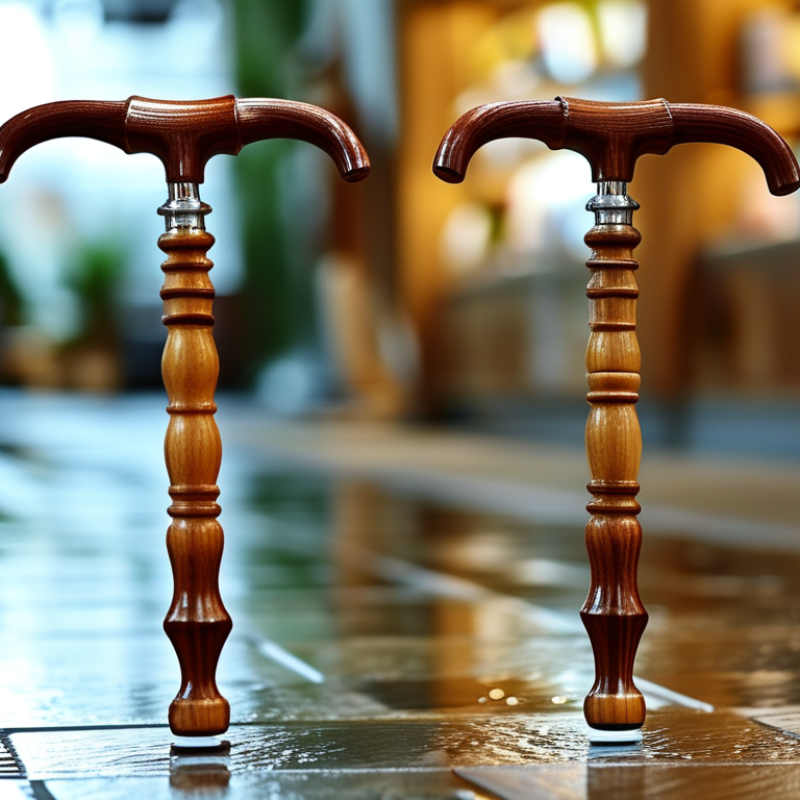
Choosing between a cane and crutches starts with the reason you need support. A cane usually suits mild balance problems, slight weakness, or pain affecting one leg. It offers one extra point of contact while allowing a natural walking pattern. Hold the cane in the hand opposite the weaker leg. Move it forward with that leg, then step through carefully. A cane is not enough when you cannot safely place weight on the injured side.

Crutches are more appropriate after an injury, surgery, or significant weakness. They can reduce or remove weight from one leg, depending on medical instructions. Underarm crutches should support your body through the hands, not press into your armpits. Keep your elbows slightly bent. Poor adjustment can cause numb hands, shoulder strain, or unstable steps. That detail is easy to miss.

Fit matters more than appearance. Stand upright with relaxed shoulders, and keep the handle near your wrist crease. Test the device on a clear, dry floor. Start slowly. A physical therapist or other qualified clinician should assess your walking pattern, strength, pain, and stairs. Ask for a demonstration if turning feels awkward. If your leg suddenly becomes weak, numb, badly swollen, or impossible to bear weight on, seek prompt medical care. The simple rule has limits. Retraining may be needed.

How to Choose Canes and Crutches in 2026?

Understanding When a Cane or Crutch Is Appropriate

How to read this chart: A standard cane is designed for light support while the user can still bear weight through the affected leg. A pair of crutches provides support through both arms and can help reduce or eliminate weight-bearing on one leg when prescribed and properly fitted.

Practical guidance: Choose a cane for mild balance problems, weakness on one side, or limited support needs. Consider crutches after an injury or surgery when partial or non-weight-bearing mobility is required. A healthcare professional should confirm the device, fit, and walking technique.

Comparing Cane, Forearm Crutch, and Underarm Crutch Types

How to Choose Canes and Crutches in 2026?

Choosing between a cane, forearm crutch, and underarm crutch depends on balance, strength, and weight-bearing needs. A cane offers light support for mild weakness or uneven walking. Hold it on the opposite side of the weaker leg. The handle should meet your wrist when your arm hangs naturally. Your elbow should bend slightly. Too much height can lift your shoulder and strain your neck.

A forearm crutch transfers support through the hand and forearm. It suits people who need more stability but still have useful arm and wrist strength. The cuff should sit below the elbow, not press against it. These crutches often feel more secure on stairs, although they require better coordination. Practice matters. A few careful steps beat confident guessing.

An underarm crutch can provide substantial support after an injury or operation. The pad should rest below the armpit, leaving a small gap. Do not lean your body into the pad. Pressure there may irritate nerves and blood vessels. Push through your hands instead. A clinician or trained fitter should check the height, tips, and walking pattern. Rubber tips can wear faster on wet pavement. Check them regularly.

The “best” device is not always the strongest one. It is the one you can control safely. Personal preference can mislead. Reassess the choice when pain, swelling, or balance changes.

Choosing the Correct Height, Grip, and Weight Capacity

How to Choose Canes and Crutches in 2026?

Choosing the correct height is more important than choosing a fashionable shape. Stand upright in supportive shoes, with your arms relaxed. The cane handle should meet the crease of your wrist. Your elbow should bend slightly, usually around 15 to 30 degrees. For crutches, keep the top several centimeters below your armpits. Place the tips slightly forward and outward. Do not rest your body weight on the underarm area. A poor fit can cause numbness, shoulder strain, or an unstable step.

Grip comfort matters during ordinary movement and sudden balance changes. Choose a handle that lets your fingers close naturally without squeezing hard. People with arthritis or weak hands may need a larger, softer grip. Check that the surface stays secure when your palm is damp. Weight capacity must include your body weight, clothing, and anything carried. Never assume a lightweight aid has a low limit, or that a heavy aid is automatically safer. Read the equipment instructions and ask a physical therapist or qualified clinician to confirm the fit.

Tips: Test the aid on a flat, dry floor. Walk slowly and watch your posture. Replace worn rubber tips promptly. Check every adjustment pin before use. A quick fitting can still be wrong; reassess it after several days. Pain, tingling, or repeated slipping deserves professional review, not stubborn practice.

Learning Safe Fitting, Walking, and Stair Techniques

How to Choose Canes and Crutches in 2026?

Safe mobility begins with correct fitting, not appearance.

The CDC reports that one in four adults aged 65 and older falls each year. Many do not tell a healthcare professional.

A cane handle should meet the wrist crease when standing upright. Keep the elbow slightly bent, about 15–30 degrees. Hold the cane on the stronger side. Move it forward with the weaker leg, then step through with the stronger leg. Small adjustments matter.

Crutches need careful measurement. The handgrips should align with the wrist crease, while the top rests about two finger-widths below the armpit. Keep weight on your hands, never your armpits.

Move both crutches forward, then step with the weaker leg. A therapist should check your balance, posture, and home environment.

The NHS also advises users to inspect rubber tips regularly. They can look fine but still slip.

Stairs require a slower rhythm. Hold the rail when possible. Going up, step with the stronger leg first. Going down, place the crutches and weaker leg first.

“up with the good, down with the weak.”

It sounds simple. Under stress, people often reverse it. The CDC STEADI program emphasizes strength, balance, medication, and home-hazard checks together.

A mobility aid cannot correct every fall risk. I would reassess the fit after pain, swelling, footwear, or walking ability changes.

Maybe the first fitting was wrong. That possibility deserves attention.

Checking Comfort, Stability, and Long-Term Support Needs

How to Choose Canes and Crutches in 2026?

Choosing a cane or crutches should begin with your daily support needs, not appearance. Comfort matters because pressure can build after only ten minutes of walking. Check that the handle fits your palm without forcing your wrist backward. Your elbow should remain slightly bent. A physical therapist can confirm the correct height and walking pattern. Small fitting errors can cause shoulder, wrist, or back discomfort.

Stability also depends on the ground you use. A cane may feel secure indoors but less reliable on wet paths or uneven steps. Crutches can provide stronger support, yet they demand balance, arm strength, and practice. Test turning, sitting, and climbing a single step before regular use. I once assumed that more support always meant better support. That assumption was wrong. Excessive dependence may reduce natural movement and increase fatigue.

Tips: Walk for five minutes during a trial. Notice numb fingers, rubbing, or unusual shoulder tension. Check the rubber tip for wear and replace it when traction decreases. Ask a clinician to review your choice if pain continues, your balance changes, or you expect months of use. Comfort today is useful, but long-term support requires honest reassessment.