10 Best Bathroom Safety Equipment for Your Home?
In recent years, bathroom safety equipment has become essential for homes, especially for seniors and individuals with mobility challenges. According to a 2022 report by the National Council on Aging, more than one in four older adults falls each year, often in the bathroom. Such accidents can lead to serious injuries and even fatalities. Investing in appropriate safety equipment can significantly reduce these risks and enhance overall well-being.
Innovative solutions, such as grab bars, non-slip mats, and shower seats, play a crucial role in transforming bathrooms into safer environments. A study from the Centers for Disease Control and Prevention highlights that proper installation of safety equipment can cut fall risks by up to 80%. However, many homeowners overlook these features until it’s too late. The need for education about bathroom safety and awareness of available resources is urgent.
Moreover, while most safety equipment offers effective solutions, not all products are created equal. Homeowners should be mindful of quality and usability. Some products might be cumbersome or difficult to install, leading to neglect. Thus, understanding the importance of bathroom safety equipment and making informed choices is vital for protecting the ones we love.
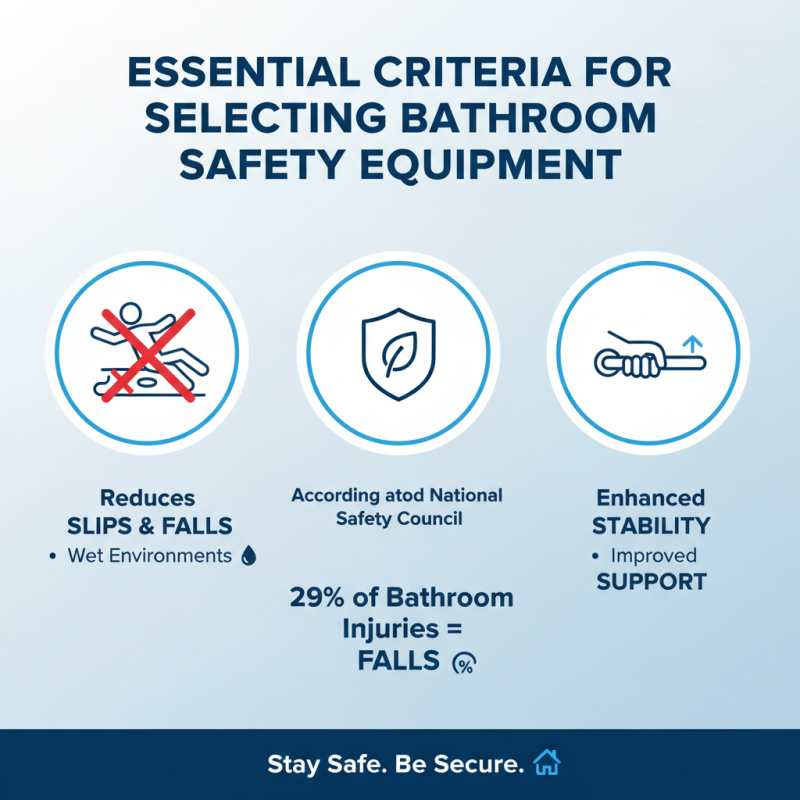
Essential Criteria for Selecting Bathroom Safety Equipment
When selecting bathroom safety equipment, it's crucial to focus on specific criteria. The equipment must effectively reduce the risk of slips and falls, a common issue in wet environments. According to the National Safety Council, falls account for 29% of injuries in the bathroom.
Consider durability and strength when evaluating products. Materials should resist corrosion and withstand moisture. Check user weight limits to ensure safety. The American Disabilities Act emphasizes the importance of reliable features for accessibility.
**Tips:** Always verify compliance with safety standards. Look for equipment with a warranty or guarantee. Regular maintenance checks can enhance durability and ensure proper function.
User-friendly design is essential too. Equipment should be easy to use for all ages. For instance, grab bars should be installed at proper heights. A recent survey revealed that 70% of users prefer easy-to-grip designs. Thoughtful installation contributes to consistent use and effectiveness in preventing accidents.
**Tips:** Involve users in the selection process. Understand their specific needs for better safety solutions. Remember, the right equipment should blend functionality with comfort.
Types of Bathroom Safety Equipment: An Overview
When it comes to bathroom safety equipment, understanding the types available is crucial for enhancing home safety. Bathroom slips cause over 234,000 injuries annually in the U.S. alone, according to the National Safety Council. The right equipment can significantly reduce these risks.
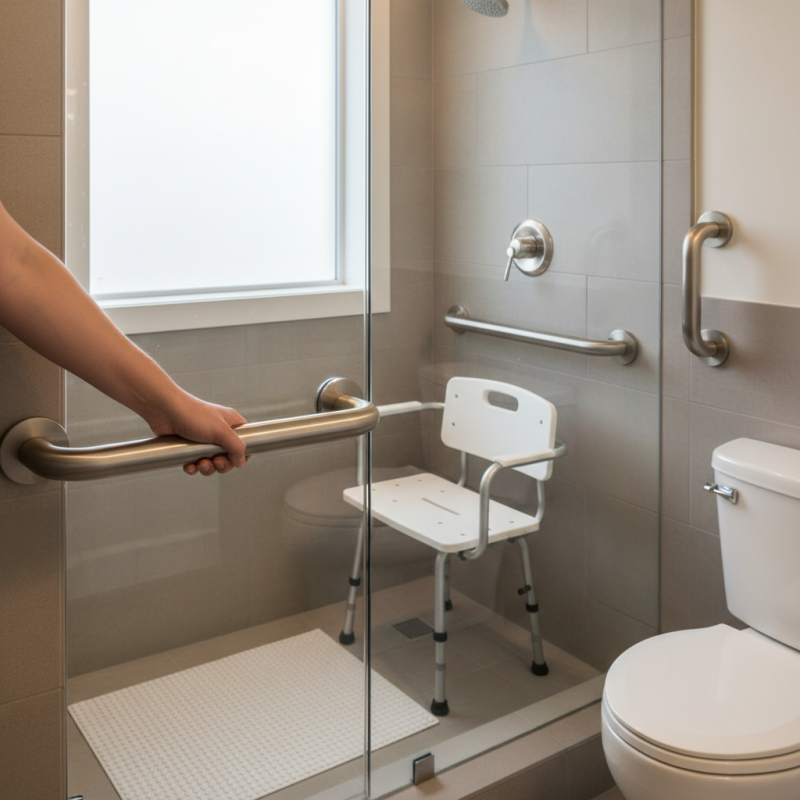
Grab bars are essential tools for stability. They provide support when getting in and out of the shower or bath. It is important to install them securely. Toilet safety frames can also improve accessibility, offering assistance to those with mobility challenges. Non-slip mats are another simple yet effective solution. Placing them strategically can lower the risk of falls on wet surfaces.
Shower chairs and transfer benches are valuable for individuals with limited mobility. These items allow for safer showering experiences. According to a study by the Centers for Disease Control and Prevention, around 25% of older adults fall each year. Thus, incorporating such equipment is not just beneficial; it is sometimes essential for wellness and independence. Regularly assessing equipment can reveal areas for improvement, ensuring ongoing safety.
10 Best Bathroom Safety Equipment for Your Home
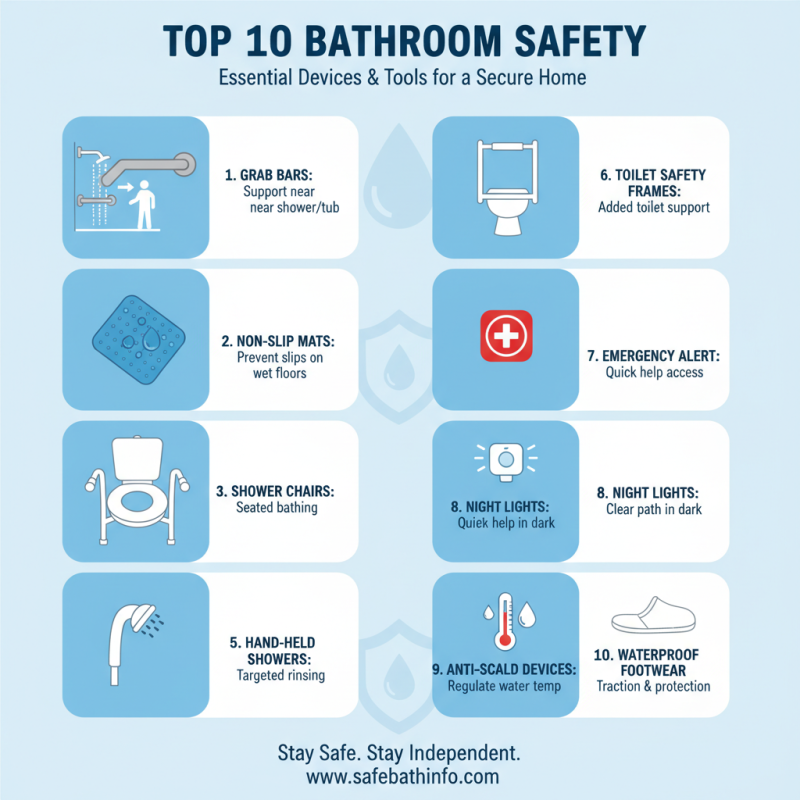
Top 10 Recommended Bathroom Safety Devices and Tools
Creating a safe bathroom environment is essential for everyone, especially the elderly and those with mobility challenges. Various devices can enhance safety dramatically. Grab bars, for instance, provide crucial support when entering or exiting the shower or tub. They offer stability and reduce the risk of falls. Non-slip mats can also serve an important role. These mats help prevent slips on wet surfaces. Choosing mats with strong grip is vital.
To further enhance safety, consider using shower chairs. These allow individuals to sit while washing, reducing strain and risk of falling. Handheld showerheads offer convenience. They allow for easier washing when seated, helping with independence. Motion sensor lights are another excellent addition. They illuminate spaces without the need to fumble for switches. This can aid in preventing accidents in the dark.
While many devices exist, choosing the right ones can be challenging. Not every solution works for every home. Some might find grab bars intrusive, while others appreciate their utility. It's essential to assess personal needs and the specific layout of the bathroom. Engage in a dialogue with family or caregivers about effective safety measures. This can lead to informed decisions that truly enhance safety.
Installation and Maintenance Tips for Bathroom Safety Equipment
Bathroom safety equipment is vital for preventing slips and falls, especially for seniors. Studies show that over 200,000 injuries related to bathroom safety occur annually in the U.S. Simple installations can significantly reduce these risks. Handrails, non-slip mats, and shower benches are effective solutions. Proper installation of these aids is crucial. Securely fastened handrails can bear 250 pounds, providing necessary support.
Regular maintenance is equally important. Check for rust or wear on metal fixtures. Non-slip mats should be cleaned frequently to maintain their grip. Non-slip coatings can wear off over time, reducing their effectiveness. Aging equipment should be replaced promptly to prevent accidents.
Bathroom safety is not just about installation; it's about consistent upkeep. Neglected safety installations can lead to hazardous situations. Regular assessments of your bathroom setup can identify potential issues. Upgrading old fixtures to meet current safety standards enhances reliability. Having a safe bathroom environment is essential for everyone's well-being, ensuring comfort and peace of mind.
Enhancing Bathroom Safety: Best Practices and Additional Tips
Bathroom safety is often overlooked, yet it is crucial for preventing accidents, especially for the elderly. According to a report from the Centers for Disease Control and Prevention (CDC), over 235,000 people visit emergency rooms annually due to bathroom-related injuries. These incidents can often be traced back to slippery floors, inadequate lighting, or improper installation of safety aids.
Enhancing bathroom safety requires thoughtful planning and implementation. Non-slip mats can significantly reduce the risk of falls. Properly installed grab bars near the toilet and in the shower are essential, with studies indicating they can lower fall risk by over 30%. Additionally, good lighting can decrease accidents. Installing motion-activated lights ensures visibility for nighttime trips while eliminating the potential danger posed by fumbled switches.
It is also worth noting that not all safety measures initially work out as intended. Some might find grab bars to be in the way, or non-slip mats may curl up, creating tripping hazards. Frequent reassessment of your bathroom setup is vital. Regularly check the condition of safety features. This helps ensure they remain effective and accessible, making your bathroom a safer space for everyone.