Why Are Wheelchairs and Mobility Devices in Demand?
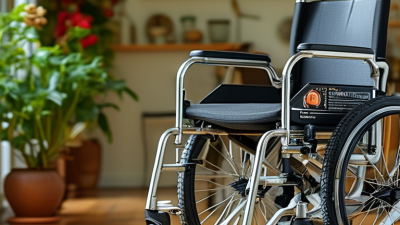
Why are wheelchairs and mobility devices in demand? The answer lies in everyday needs, not one single trend. People use them after injuries, during illness, and as age or disability changes how they move. A wheelchair can make a narrow hallway, a clinic visit, or a trip to the grocery store more manageable. For many users, it supports choice and participation, not merely transportation.
Demand also reflects a wider range of products. Manual wheelchairs, powered models, scooters, walkers, and other mobility aids serve different bodies and routines. WHO Director-General Dr. Tedros Adhanom Ghebreyesus has called assistive technology “a game changer.” That phrase captures its potential, but access and fit matter just as much. A device that works well indoors may be difficult to use on uneven sidewalks. Small details matter.
Needs differ widely. Some users prioritize portability; others need seating support, longer battery range, or easier transfers. Families and clinicians may help assess options, while users’ own experience should guide the final choice. Still, rising interest does not mean every product is suitable, affordable, or readily available. That part is not simple. Coverage, maintenance, training, and repair can shape whether a device remains useful over time. Even a well-designed wheelchair can disappoint when the fit is wrong or service is distant. Understanding these practical factors helps explain why wheelchairs and mobility devices are in demand—and why the right solution depends on the person, setting, and task.

Mobility Devices: Types, Users, and Everyday Functions
Mobility devices support people with different abilities, routines, and surroundings. Canes and crutches may help with balance or reduced weight-bearing. Walkers offer a wider support base, while wheelchairs help users travel farther or conserve energy. Manual chairs rely on pushing or assistance; powered chairs use a joystick or similar control. Mobility scooters can suit some longer outdoor trips, but they need enough space to turn and park.
Users may need a device temporarily after an injury or longer term because of illness, disability, pain, or fatigue. Everyday uses include moving between rooms, reaching a bus stop, or standing safely while preparing food. The right choice depends on strength, posture, hand control, distance, and home layout. A device that seems practical in a shop may feel awkward around a narrow kitchen turn. That detail is easy to overlook.
Tips: Check doorway widths and turning space before choosing. Try the device on the surfaces you use daily, including thresholds and ramps. Ask a qualified rehabilitation professional to assess fit and safe use. Comfort matters. Recheck adjustments as needs change.
WHO: 1.3 Billion People Experience Significant Disability Worldwide
The World Health Organization estimates that 1.3 billion people worldwide experience significant disability, about one in six people. This figure helps explain why wheelchairs and other mobility devices matter to so many communities. Disability can affect movement in different ways and may be present from birth, follow illness or injury, or become more common with age. Needs vary. Not everyone with a disability uses a wheelchair, and one device cannot suit every person.
For many users, a well-fitted wheelchair or walking aid can make everyday routines more manageable, from crossing a busy hallway to reaching a kitchen shelf. Demand also reflects practical needs: devices must fit the user, work in local settings, and be available for repair. A wheelchair that is difficult to maneuver on rough paths may not help much. Access is not just about having a device; surroundings and support matter, too. That can be easy to overlook.
Tips: Ask a qualified health professional about fit and safe use. Check seat support, brakes, and tires regularly. Try the device on the routes the user travels most. Small adjustments can matter. Availability and repair options differ by location, so planning ahead may help.
Why Are Wheelchairs and Mobility Devices in Demand?
WHO estimates that 1.3 billion people—about 16% of the world’s population—experience significant disability.
The estimate highlights the substantial need for accessible environments and assistive products, including wheelchairs and other mobility devices. The remaining 84% is calculated as the complement of WHO’s 16% estimate.
WHO: Over 2.5 Billion People Need Assistive Products
More than 2.5 billion people worldwide need one or more assistive products, according to the World Health Organization. These include wheelchairs, hearing aids, glasses, communication tools, and devices that support daily activities. The figure is not just about aging populations. A child with mobility limitations may need a properly fitted wheelchair to reach a classroom. An adult recovering from an injury may need temporary support at home. Needs vary widely.
Demand is growing as populations age and chronic conditions become more common, while injury can also increase need. Yet a device alone is not enough. A wheelchair must fit the user, suit local streets or indoor spaces, and be maintained over time. Training matters too. Users and caregivers need to learn safe transfers, adjustments, and basic care. Access remains uneven, and cost or limited services can leave people waiting. The WHO estimate is a reminder, but numbers cannot show every missed trip, painful transfer, or school day lost. Perhaps we focus too much on how many devices are needed, and too little on whether each person can use one comfortably.
Wheelchair Demand: 80 Million People Need a Wheelchair Worldwide
The World Health Organization estimates that 80 million people worldwide need a wheelchair. That figure represents people with different bodies, routines, and surroundings. Some need a chair for daily movement; others need one during recovery or as their mobility changes. The number is large. Yet it can feel abstract until you picture a person waiting outside a clinic because the entrance has steps.
Demand depends on more than how many wheelchairs are available. A chair must fit its user, suit the terrain, and support daily activities. A poorly fitted seat can cause discomfort, while a device unsuited to rough paths may limit independence. Access to assessment, repairs, and replacement parts matters too. These details are easy to overlook when counting devices alone.
The global estimate also cannot show how needs differ between a crowded city and a remote community. Better local data would help planners understand those differences, though collecting it takes time and care.
For users, the practical question is often simple: can this wheelchair get me where I need to go, comfortably and reliably?
Ageing and Unequal Access to Assistive Technology Drive Unmet Need
Why Are Wheelchairs and Mobility Devices in Demand?
Ageing and Unequal Access to Assistive Technology Drive Unmet Need
Demand is rising as more people live longer with mobility limitations. UN DESA’s World Population Prospects 2022 estimates that people aged 65 and older will increase from 10% of the global population in 2022 to 16% by 2050. Ageing does not mean every older person needs a wheelchair, but it increases the need for reliable mobility support. The WHO and UNICEF Global Report on Assistive Technology (2022) estimates that 2.5 billion people need at least one assistive product; nearly one billion lack access. The gap is stark.
For wheelchair users, unmet need can show up in ordinary places: a steep entrance, a broken pavement, or a device that does not fit through a bedroom doorway. Cost, limited local services, and shortages of trained assessors can delay suitable provision. A wheelchair alone may not solve the problem. Fit, adjustments, repairs, and user training matter too. WHO reports that more than 80 million people need a wheelchair worldwide, while access remains limited in many settings. These figures describe broad needs, not every local experience. That distinction matters; national estimates can miss people waiting quietly at home, relying on family support, or using equipment that no longer fits.