Why Invest in Home Healthcare Equipment for Better Patient Care?
Home healthcare equipment plays a critical role in enhancing patient care. This equipment allows patients to receive treatment within the comfort of their homes. It supports recovery and promotes independence. Investing in reliable home healthcare equipment can significantly improve patient outcomes.
The rise of home healthcare reflects changing preferences. Patients appreciate receiving care in familiar surroundings. This trend drives innovation and accessibility in home healthcare equipment. However, not all equipment is created equal. The market is flooded with options, challenging providers and patients alike. Choosing the right tools requires expertise and careful consideration.
Each piece of equipment has unique benefits and limitations. Some devices offer state-of-the-art features, while others may lack reliability. It’s essential to evaluate this equipment critically. Understanding the patient’s needs ensures the right match. Prioritizing quality can sometimes feel overwhelming, yet it is crucial for effective care. In an evolving landscape, home healthcare equipment stands as a pillar of modern patient care.
Benefits of Home Healthcare Equipment for Patient Independence
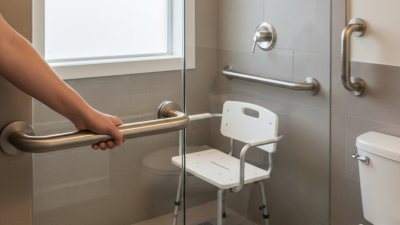
Investing in home healthcare equipment can significantly enhance patient independence. Many patients face limitations in mobility and self-care. Providing them with the right tools allows for greater autonomy. Simple items, like grab bars or mobility aids, make a remarkable difference in daily living. Patients feel more empowered, which can boost their morale.
Home healthcare equipment also promotes safety. Devices such as fall detection systems and pulse oximeters can prevent crises. Feeling secure at home encourages patients to engage in their own care. Moreover, the ease of access to healthcare devices can reduce the need for constant assistance. This shift can help patients navigate their environment confidently.
However, it's important to recognize that not all patients react positively to this equipment. Some may feel overwhelmed by new technology. In such cases, caregivers should offer continuous support and education. Regular check-ins can help ensure that patients adapt well. This ongoing communication is vital to fostering an environment where patients truly feel independent.
Types of Home Healthcare Equipment and Their Uses
Home healthcare equipment plays a crucial role in enhancing patient care. Understanding the types of equipment available can help caregivers make informed choices. Basic devices like blood pressure monitors allow families to track vital signs easily. These monitors are affordable and user-friendly, making them accessible to most households.
Mobility aids such as walkers and wheelchairs are vital for patients with limited movement. These tools not only enhance independence but also improve self-esteem. Proper usage requires some training, which might be overlooked by caregivers. Without guidance, these devices can lead to falls or injuries. Safety should always come first.
In addition to mobility aids, respiratory equipment is essential for those with breathing difficulties. Oxygen concentrators and nebulizers help patients breathe easier at home. However, ensuring the correct usage and maintenance of these devices is crucial for their effectiveness. Caregivers sometimes underestimate the importance of regular checks. Overlooking even small details could impact patient health negatively.
Cost-Effectiveness of Home Healthcare Solutions
Investing in home healthcare equipment can enhance patient care while being cost-effective. Medical equipment in a home setting reduces hospital visits. Patients often feel more comfortable in their own environment. This comfort can lead to better recovery outcomes. Financially, home healthcare solutions can save families and the healthcare system money. Avoiding hospitalization cuts down on expenses.
It's wise to assess essential equipment that fits specific needs. For instance, mobility aids can improve independence for seniors. Telehealth services can provide quick access to healthcare professionals. These tools not only benefit patients but also help caregivers manage their responsibilities better.
Consider your local healthcare regulations when choosing equipment. Sometimes, insurance may not cover all costs. Investigate potential funding options that exist for home care solutions. Being proactive can ensure that patients receive the necessary care while keeping costs manageable. Evaluate and reflect on equipment performance regularly for optimal results.
Impact of Home Healthcare on Patient Outcomes and Satisfaction
Home healthcare has changed the way patients receive treatment. It allows for personalized care in a familiar environment. This not only enhances comfort but can also lead to better recovery outcomes. Patients often report feeling less stressed and more secure at home. This emotional wellbeing is crucial in the healing process. Studies show that individuals receiving home healthcare have lower readmission rates to hospitals.
Satisfaction levels soar when patients have control over their care. They engage more actively in treatment plans. This involvement leads to improved compliance with medication and therapy. However, challenges remain. Not all patients have access to necessary equipment at home. Some equipment can be complex, requiring training for proper use. Caregivers also face hurdles in managing these devices effectively.
In many cases, integrating technology into home settings provides exciting possibilities. Telehealth services allow for constant communication with healthcare providers. Yet, reliance on technology can cause frustration. Connectivity issues or user errors can hinder the benefits. Continuous education and support for both patients and caregivers is essential. Adapting to these changes can enhance the quality of care delivered at home.
Why Invest in Home Healthcare Equipment for Better Patient Care?
| Dimension |
Data |
| Patient Satisfaction Rate |
85% |
| Reduction in Hospital Readmissions |
30% |
| Improvement in Recovery Time |
25% Faster |
| Patient Engagement Level |
70% |
| Cost Savings for Patients |
40% Reduction |
| Access to Healthcare |
Increased by 50% |
Future Trends in Home Healthcare Equipment Innovation
The field of home healthcare equipment is rapidly evolving. Innovations are shaping how patients recover and manage their health at home. The market for home healthcare equipment is projected to reach $121 billion by 2027, as highlighted in reports by Global Market Insights. These advancements focus on improving patient care while reducing hospital readmission rates.
Telehealth technologies are leading the way. Devices like remote monitoring systems empower patients to share vital signs with their healthcare providers in real-time. A study from the Journal of Medical Internet Research found that remote patient monitoring can reduce hospital visits by 23%. This convenience enhances patient engagement and fosters independence.
Yet, challenges remain. Not all patients have the tech savvy to operate these devices effectively. Accessibility issues can also hinder the adoption of new tools, particularly in rural areas. The industry must address these barriers while promoting education and training programs. Future home healthcare innovations need to balance advanced technology with user-friendly designs, ensuring that all patients can benefit from these developments.