Choosing transport chairs and equipment is not simply a matter of comparing prices or folding mechanisms. The right decision begins with the user’s body, daily route, caregiver strength, and expected frequency of use. A narrow chair may pass through a bathroom doorway, yet feel unsafe around the hips. A lightweight frame may lift easily, but sacrifice cushioning or stability. These small trade-offs matter.
The World Health Organization’s Global Report on Assistive Technology (2022) estimates that more than 2.5 billion people need at least one assistive product. That number could reach 3.5 billion by 2050. WHO also emphasizes that appropriate assessment, fitting, training, and follow-up improve safe and effective use. Transport chairs equipment should therefore be evaluated as part of a mobility system, not as isolated hardware. Check seat width, seat depth, brake access, footrest clearance, frame weight, and maximum user capacity. Measure the narrowest doorway. Do not guess.
Dr. Rory Cooper, a rehabilitation engineer and wheelchair researcher, is often credited with this practical reminder: “A wheelchair is not a chair; it is a mobility device.” His statement changes the buying question. Can the chair support transfers, uneven flooring, vehicle loading, and repeated caregiver handling? The answer may be less convenient than expected. That is acceptable. A perfect checklist does not exist. A careful trial, documented measurements, and advice from a qualified occupational or physical therapist offer stronger evidence than attractive product photos. Reliable choices protect comfort, dignity, and everyday independence.
How to Choose Transport Chairs and Equipment?
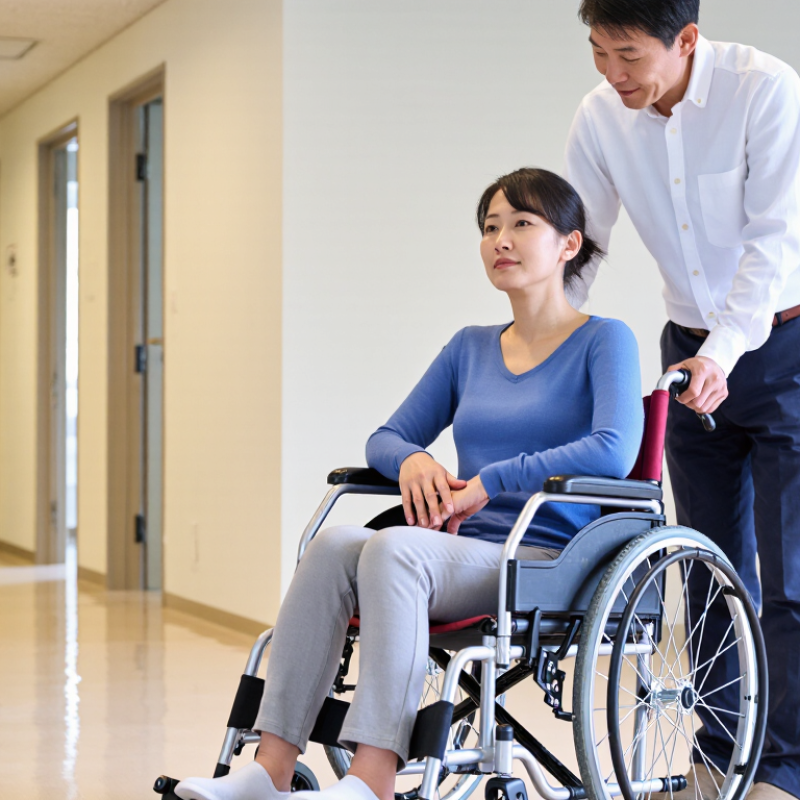
A transport chair is designed for assisted movement, not independent self-propulsion. An attendant pushes the user through airports, clinics, homes, or short outdoor routes. Its compact frame and smaller wheels improve portability. However, these features can reduce comfort and control on uneven ground.
The World Health Organization reports that more than 2.5 billion people need assistive products worldwide. Its wheelchair guidance estimates that only 5–15% of people needing wheelchairs have access in many low-resource settings. These figures show why correct selection matters. Measure the user’s hip width, leg length, and sitting posture before choosing equipment. Check the chair’s weight capacity carefully. Confirm that brakes engage firmly and footrests support the legs without pressure behind the knees. A seat cushion may help during longer transfers.
Lightweight is not always better. A very light frame may feel less stable for heavier users or outdoor surfaces. That assumption deserves review. Transport chairs also require an attentive caregiver, especially on ramps, thresholds, and slopes. The ISO 7176 wheelchair standards address key safety and performance tests, but real-world fit still matters. Test the chair with the user seated. Observe turning, braking, transfers, and storage in the actual vehicle. Small details matter. A loose footrest or difficult folding mechanism can create daily frustration. Use professional assessment when posture, balance, or medical needs are complex.
Transport chairs are designed to be pushed by a caregiver and are commonly used for assisted movement through indoor areas, medical appointments, travel, and paved outdoor surfaces. Common adult seat-width options include 16, 18, and 20 inches. Choose a width that provides a comfortable fit without excessive side-to-side movement, and always confirm the chair’s weight capacity, folded size, brakes, footrests, and safety features before purchase.
Choosing a transport chair should begin with the user, not the frame. Assess walking distance, transfer ability, trunk control, grip strength, fatigue, and cognition. A person who walks indoors may still need seated support outdoors. Measure hip width, seat depth, lower-leg length, and arm position while wearing normal footwear. The WHO and UNICEF Global Report on Assistive Technology (2022) estimates that more than 2.5 billion people need assistive products worldwide. Individual fitting therefore matters, even when the need appears temporary.
Comfort and safety are closely linked. Transport chairs are usually attendant-propelled, so evaluate handle height, brake access, turning space, and caregiver control. Check whether the user can maintain an upright posture without sliding forward. Pressure can develop quickly around the pelvis, heels, and shoulder blades. The CDC reports that more than one in four adults aged 65 and older falls each year. That statistic does not prove a chair prevents falls. It does show why stable transfers and supervised use deserve careful attention. A tidy checklist can still miss real-life fatigue.
Tips: Let the user sit for several minutes. Test brakes, footrests, and door thresholds. Confirm the chair fits the vehicle. Ask a qualified therapist to review posture and transfer technique. Recheck the setup after actual use, because comfort at home may differ from comfort during travel.
A transport chair is usually lighter and narrower than a standard wheelchair. It is designed for an attendant to push, not for independent movement. A standard wheelchair offers larger rear wheels and better self-propulsion. Reclining models support users who need positional changes. Bariatric chairs provide wider seats and stronger frames. Choosing by appearance alone can be a costly mistake.
Weight capacity deserves careful attention. Compare the user’s weight with the chair’s rated limit, then allow room for clothing, cushions, bags, and other equipment. A chair rated for 300 pounds may not safely support a 295-pound user with added accessories. Seat width, seat depth, frame material, wheel size, brakes, footrests, and folding design also affect daily use. I once assumed a lighter chair would always be easier. That shortcut was wrong. Small wheels can struggle on uneven pavement, while heavier frames may feel safer indoors.
Tips: Measure doorways, vehicle storage space, and turning areas before buying. Check whether the footrests swing away or detach easily. Test the brakes on a gentle slope, with assistance. Inspect the seat height and cushion support, especially for longer trips. Ask a qualified healthcare professional to review posture and transfer needs. Capacity labels can be confusing, so verify the figures in the equipment manual. A practical trial often reveals problems that specifications miss.
Choosing transport chairs and supporting equipment requires more than checking weight capacity and folding size. The user’s posture, transfer ability, home layout, and travel routine all matter. A lightweight chair may suit airport corridors, yet feel unstable on uneven outdoor paths. Measure doorways and turning areas before purchasing. Small details often decide daily comfort.
A pressure-relieving cushion can reduce discomfort during longer journeys, but its height may affect foot placement and transfer safety. Adjustable footrests should support the legs without pressing behind the knees. Padded armrests can help, especially when the user needs support while sitting down. Use a properly fitted pelvic belt only when recommended by a qualified professional. It should support positioning, not replace supervision.
Check the brakes while the chair is occupied. Ask a physiotherapist or occupational therapist to review posture, transfers, and accessory compatibility. A transfer board may help some users, but it requires training and a stable surface. Portable ramps need suitable width, grip, and slope; never judge safety by appearance alone. I once focused too much on easy folding and overlooked how quickly a cushion slipped during transfers. That mistake changed my checklist. Test equipment in realistic conditions, including narrow halls, wet entrances, and uneven flooring. Recheck fasteners regularly. Accessories can loosen. Comfort can change.
| Equipment or Accessory | Primary Purpose | Key Specifications to Check | Best Suited For | Important Safety Considerations | Recommended Selection Guidance |
|---|---|---|---|---|---|
| Standard Transport Chair | Short-distance mobility with an attendant pushing the chair. | Seat width, seat depth, overall width, folded size, chair weight, and maximum user weight. | Hospitals, clinics, airports, shopping areas, and occasional outdoor use. | Use both wheel locks during transfers and keep the occupant properly positioned. | Choose a width that supports the user without excessive side-to-side movement while allowing comfortable clothing clearance. |
| Lightweight Folding Chair | Easier lifting, storage, and transport in a vehicle. | Frame weight, folded dimensions, carrying handles, locking mechanism, and structural capacity. | Caregivers who frequently load and unload equipment. | Confirm that the frame is fully open and locked before use; never lift the chair with a person seated in it. | Prioritize a manageable lifting weight without compromising the required user weight capacity. |
| Bariatric Transport Chair | Provides a wider seat and higher load capacity for larger users. | Verified weight capacity, seat width, frame reinforcement, wheel size, and overall doorway clearance. | Users whose size or weight exceeds the safe range of standard chairs. | The capacity must include clothing, personal items, and any attached equipment. | Measure the user and intended routes first; a wider chair may not pass through standard doorways. |
| Attendant Hand Brakes | Allows the caregiver to control speed and assist with stopping on slopes. | Brake accessibility, cable routing, grip comfort, and compatibility with the chair frame. | Outdoor routes, ramps, inclines, and users requiring frequent attendant assistance. | Hand brakes are not a substitute for engaging the parking brakes during transfers. | Select only when the caregiver can operate the controls comfortably and consistently. |
| Swing-Away or Detachable Footrests | Supports the lower legs and simplifies transfers or storage. | Length adjustment, heel loops, swing-away range, detachable mechanism, and footplate clearance. | Users who need lower-leg support or frequent side transfers. | Keep feet positioned on the footplates while moving; do not stand on the footplates during transfers. | Adjust the footrest so the thighs are supported without excessive pressure behind the knees. |
| Elevating Leg Rests | Raises the legs when additional positioning or swelling management is required. | Angle range, calf-pad position, length adjustment, total chair length, and weight. | Users with limited knee extension or a prescribed need for elevated legs. | Use according to clinical advice when elevation is needed for a medical condition. | Check that the elevated legs do not obstruct doorways, turns, or the caregiver's walking path. |
| Positioning Belt | Helps maintain pelvic and trunk positioning during movement. | Adjustability, buckle operation, attachment strength, and compatibility with the seat structure. | Users who slide forward or need additional postural support. | It is a positioning aid, not a replacement for supervision or a restraint assessment. | Fit snugly over the pelvis without compressing the abdomen or restricting breathing. |
| Padded Seat or Cushion | Improves comfort and may help distribute pressure during longer periods of sitting. | Cushion thickness, dimensions, stability, cover cleanability, and pressure-relief properties. | Users who experience discomfort on firm sling seats or sit for extended periods. | A cushion can change seat height and stability; check footrest and transfer positions afterward. | For users at risk of pressure injury, obtain professional seating advice rather than choosing by softness alone. |
| Armrest Pads or Desk-Length Armrests | Adds upper-limb support and may improve access to tables or work surfaces. | Armrest height, removable or fixed design, padding, transfer clearance, and table compatibility. | Users who need elbow support or must position close to a desk. | Ensure the armrests do not interfere with lateral transfers or create pressure points. | Choose adjustable or removable armrests when transfer technique and workspace access vary. |
| Oxygen Cylinder Holder | Secures a portable oxygen cylinder to the chair during transport. | Cylinder diameter and length limits, attachment point, retention straps, and clearance from wheels. | Users who require portable oxygen while being moved. | Keep cylinders upright and secured; follow oxygen safety rules and keep away from flames or heat. | Verify the holder's dimensions and the chair's increased weight and balance before use. |
| Storage Pouch or Under-Seat Bag | Carries personal items, documents, or small medical supplies. | Maximum load, attachment method, wheel clearance, water resistance, and ease of access. | Daily trips where a caregiver needs hands-free storage. | Keep heavy items low and centered to avoid affecting stability or tipping resistance. | Avoid overloading the bag or placing items where they can contact moving wheels. |
| Safety Reflectors or Visibility Accessories | Improves visibility in low-light environments and around vehicles. | Reflective coverage, secure attachment, cleaning resistance, and visibility from multiple angles. | Outdoor use, parking areas, corridors, and evening travel. | Visibility accessories do not replace lights, supervision, or safe route planning. | Use securely attached reflective materials that cannot enter the wheels or interfere with folding. |
| Weather Cover | Protects the chair from rain, dust, and temporary outdoor exposure when folded or stored. | Folded dimensions, ventilation, waterproofing, fastening method, and ease of removal. | Vehicle transport, temporary storage, and occasional outdoor use. | Dry the chair before storage to reduce corrosion, odor, and material deterioration. | Choose a cover that fits without blocking wheels, brakes, or required ventilation. |
Choosing a transport chair starts with fit, not appearance. The seat should support the hips without pressing the thighs. Feet must rest comfortably on the footrests. Check seat width, depth, back height, and armrest position. A small mismatch can cause pressure, poor posture, or unsafe transfers. Ask a qualified clinician to review posture when daily use involves weakness, pain, or limited balance.
Portability matters when moving through doorways, car trunks, and crowded buildings. Test the folding mechanism, wheel locks, handles, and overall weight. A chair that feels manageable in a shop may become difficult after repeated lifting. I once underestimated trunk space; the chair fit, but luggage did not. Measure the folded dimensions before buying. Keep moving parts clean and inspect brakes, tires, bolts, and upholstery regularly. Do not ignore small faults.
Long-term value includes comfort, repair access, replacement parts, and useful service life. A lower purchase price may hide fragile components or costly maintenance. Check the care instructions and ask how common parts are replaced. Review weight capacity with a safety margin, not just the user’s current weight. Needs can change after surgery, illness, or reduced strength. A careful choice leaves room for those changes, although predicting every future need is impossible.