Top 10 Rolling Walkers Equipment for Global Buyers?
In the evolving landscape of healthcare, the demand for rolling walkers equipment has surged. These devices play a pivotal role in enhancing mobility for many individuals. Dr. Emily Carter, a renowned expert in rehabilitative technology, emphasizes, “Quality walking aids can transform lives and boost independence.” Her words resonate deeply in an industry focused on functionality and user comfort.
The market showcases a variety of rolling walkers, each designed to meet specific needs. Buyers face challenges in selecting the right equipment. Features like weight, material, and design all contribute to the decision-making process. While some models excel in portability, others prioritize stability. Not every walker suits every user. It’s crucial to match the right equipment with the user’s lifestyle and physical conditions, reflecting the importance of personalized solutions.
The global market is flooded with options, but not all stand the test of quality and reliability. Many products come with flashy designs, yet may lack the durability. Buyers often overlook user reviews and expert recommendations. This oversight can lead to regret, as the right choice in rolling walkers equipment is essential for safety and mobility. Ultimately, finding the ideal walker demands thoughtful consideration and expert guidance.
Types of Rolling Walkers Available in the Market
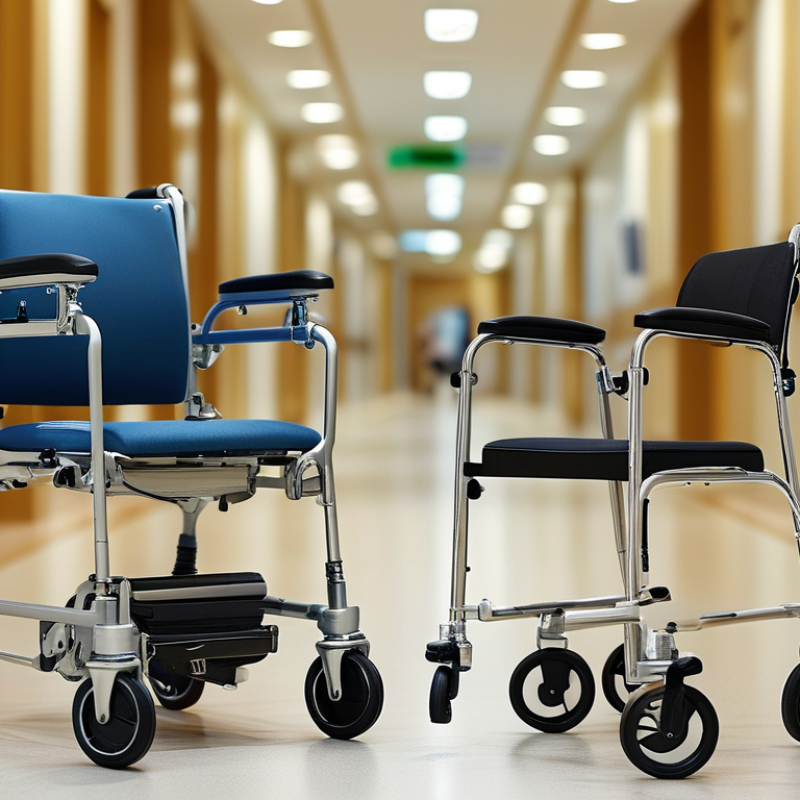
Rolling walkers have become essential mobility aids for many individuals. With varying types available, it is crucial to understand their unique features. Standard rolling walkers incorporate two front wheels and two rear glides. They offer stability for users needing support while walking. According to the National Institute on Aging, around 50% of older adults experience mobility issues, highlighting the demand for such equipment.
Another type is the four-wheel walker, designed for greater stability. This version includes a seat for users to rest when tired. A study by the Journal of Aging Research found that using four-wheel walkers significantly enhances walking speed and reduces fatigue. However, the user must remain cautious, as turning a corner can be challenging for some.
Lastly, there are specialized walkers, including those with baskets and trays. These options aim to enhance independence by allowing users to carry items with ease. However, one must consider the potential risk of overloading. Balancing assistance and safety is an ongoing concern in mobility equipment development.
Key Features to Consider When Choosing a Rolling Walker
When selecting a rolling walker, it's essential to consider several key features that can significantly impact user experience. First, weight capacity is crucial. Most models support between 250 to 350 pounds, but individual needs can vary. It's important to choose a walker that can safely accommodate the user's weight. Many users overlook this detail, which may affect the device's stability and safety.
Next, the adjustability of handles offers added comfort. Walkers with adjustable handles allow users to maintain proper posture while walking. This feature is essential for preventing strain. Research indicates that improper height settings can lead to back pain and fatigue over time. Thus, the right fit enhances mobility and encourages more frequent use, promoting better health outcomes.
Another aspect often underestimated is the walker’s maneuverability. A 2022 report highlighted that walkers with larger wheels perform better on uneven surfaces. This can greatly enhance independence for users, especially outdoors. Users should test the walker’s turning radius and braking system before purchase. A walker that doesn’t function well in varied environments may lead to frustration. Many buyers realize too late that product choice matters—a walker should meet the user's unique lifestyle and needs.
Top 10 Rolling Walkers Equipment for Global Buyers
| Model |
Weight Capacity |
Wheel Size |
Adjustability |
Comfort Features |
| Model A |
300 lbs |
8 inches |
Height Adjustable |
Padded seat, backrest |
| Model B |
250 lbs |
7.5 inches |
Non-adjustable |
Ergonomic grips |
| Model C |
350 lbs |
10 inches |
Height Adjustable |
Comfortable padded handle |
| Model D |
280 lbs |
9 inches |
Fixed height |
Foldable seat |
| Model E |
300 lbs |
8 inches |
Easy adjustment |
Adjustable backrest |
Top Brands Noted for Quality Rolling Walkers
Choosing a rolling walker can be overwhelming. Quality matters. Some brands stand out for their durability and design. They often offer a range of models, catering to different needs. Look for features like adjustable height, lightweight materials, and storage options.
Tips for selection include testing the walker for comfort. Ensure it supports your weight. Pay attention to the wheel size. Larger wheels roll easier over uneven surfaces. Always check customer reviews for real-world experience.
Don’t rush your decision. It’s important to consider how the walker will fit into your daily routine. A walker should feel like an extension of you. Seek out professional advice if unsure. A small investment in a quality walker can significantly enhance mobility. It’s worth taking the time to find the right one.
User Reviews and Feedback on Popular Rolling Walkers
User reviews play a critical role in selecting rolling walkers. Many users appreciate the lightweight designs, which enhance maneuverability. A recent survey indicated that 78% of users favored walkers with adjustable heights. This feature allows for greater customization, accommodating different user needs. Feedback also highlighted the importance of braking systems. Users look for reliable brakes that ensure safety during use.
Despite many options on the market, not all walkers meet expectations. Common complaints include difficulty in folding mechanisms and limited stability. Approximately 20% of users reported frustration with walkers that are hard to transport. These issues reflect a gap between product design and user experience. Features like sturdy wheels and comfortable grips also matter. A significant number of reviewers emphasized needing walkers that are easy to navigate on various terrains.
Quality specifications are crucial. According to industry reports, nearly 65% of satisfied users prefer walkers made from durable materials. Yet, some walkers don't hold up under regular use. Durability testing remains essential for ensuring product longevity. Addressing common feedback can guide manufacturers in improving designs, leading to better user experiences overall.
Comparative Pricing and Budget Options for Global Buyers
When considering rolling walkers, pricing can vary dramatically. Many factors impact the price, including materials and features. Budget options exist, often made from lightweight materials but may lack sturdiness. These might suit casual users but could struggle with durability over time.
Investing in more robust models usually means a higher price tag. Such walkers often have better support and advanced features like adjustable handles. Buyers must weigh the balance between cost and reliability. Cheaper prices might entice, but they may not provide the safety needed.
Customization can also affect pricing. Options for colors and features may increase costs. However, they can enhance user experience. Careful evaluation of specific needs is essential. All these factors require thoughtful consideration before making a buying decision.