China Best Compression Therapy Products Manufacturer?

Choosing the best China manufacturer for compression therapy products requires more than comparing prices or factory photographs. It requires evidence.

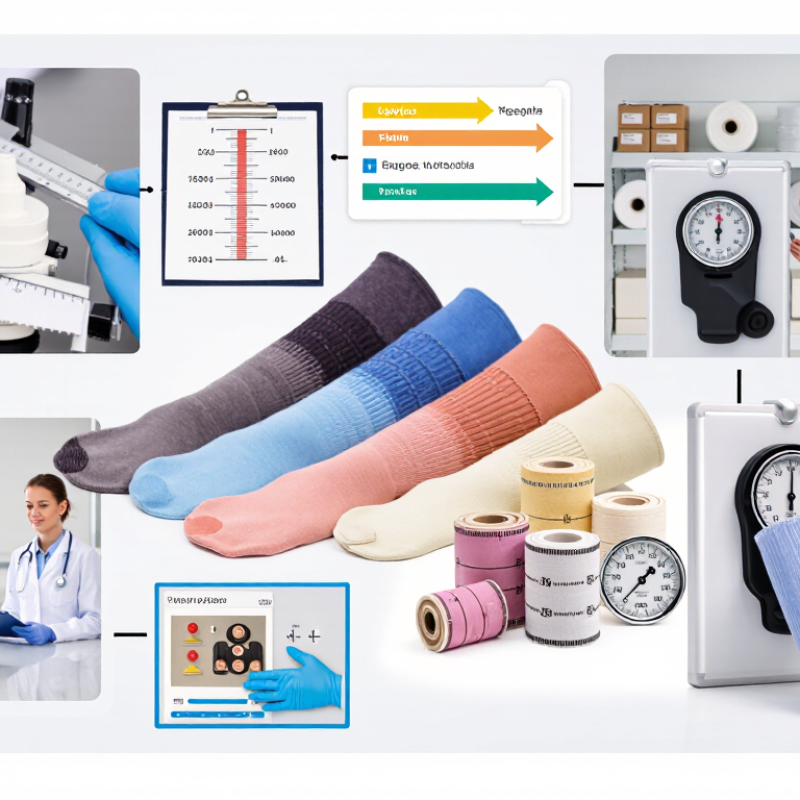
A reliable supplier should understand venous care, lymphatic support, postoperative recovery, and patient comfort. Its products should show consistent pressure, accurate sizing, skin-friendly fabrics, and stable elasticity after repeated washing. Look for documented quality systems, traceable materials, laboratory testing, and responsive technical support. ISO 13485 certification can strengthen confidence, but certification alone does not prove product performance. Ask for current test reports, production samples, inspection records, and clear instructions for use. Small details matter. Check the cuff edge, stitching, packaging, and measurement chart.

Vascular surgeon Dr. Mark Whiteley has described the principle clearly: “Compression is the cornerstone of treatment for venous disease.” That statement explains why product selection should involve clinical thinking, not only manufacturing capacity. The strongest Chinese manufacturers combine engineering experience with medical-product discipline. They can discuss graduated compression, pressure classes, fabric recovery, and fitting risks in practical language. They should also explain when professional assessment is necessary. Poorly fitted compression may cause discomfort, slipping, or unsafe pressure distribution. No factory is perfect. Even a capable supplier may need stronger documentation or better communication. That weakness should be examined, not hidden. A thoughtful comparison of China-based manufacturers can reveal which partner offers dependable compression therapy products, consistent production, transparent evidence, and long-term cooperation. The real goal is not to find the cheapest factory. It is to find a manufacturer that protects product quality from the first thread to the final shipment.

China Best Compression Therapy Products Manufacturer?

What Is a Compression Therapy Products Manufacturer?

A compression therapy products manufacturer develops, tests, and supplies products that apply controlled pressure to the body. These products may include graduated compression garments, wraps, sleeves, and pneumatic systems. The manufacturer’s role extends beyond production. It connects material selection, pressure engineering, sizing, user comfort, and quality control. In practical work, small details matter. A rough seam can irritate skin. An inaccurate size can reduce therapeutic value.

Reliable manufacturers begin with a defined product purpose and measurable performance requirements. They evaluate fabric elasticity, pressure distribution, durability, moisture management, and cleaning performance. Testing should use documented methods and calibrated equipment. Product labels should explain sizing, application, care, and relevant precautions clearly. Experienced teams also gather feedback from clinicians, therapists, caregivers, and daily users. A technician may notice pressure loss after repeated washing. A therapist may identify difficulty during application. Both observations can improve design.

A professional manufacturer maintains traceable materials, controlled production steps, inspection records, and corrective action procedures. It should communicate honestly about product limits instead of promising universal results. Regulatory expectations vary by market, so compliance work requires current, market-specific review. No factory gets every detail perfect. That is why continuous testing and user feedback remain important. When comparing the best manufacturer, transparent evidence matters more than polished claims. Look for consistent specifications, responsive technical support, and documented quality practices. The strongest supplier is not merely a seller. It is a careful partner in dependable compression care.

Which Compression Therapy Products Are Made in China?

China manufactures many compression therapy products, including graduated compression socks, sleeves, stockings, wraps, and pneumatic compression systems. These products serve hospitals, rehabilitation centers, athletes, and home users. Manufacturing quality varies widely. Some factories specialize in knitted medical textiles, while others focus on electronic pumps and air chambers.

For reliable sourcing, buyers should examine pressure consistency, fabric recovery, seam strength, and skin comfort. A product may look excellent but lose compression after repeated washing. That detail is often missed. Request test reports, production samples, material specifications, and batch traceability. For electronic systems, check electrical safety, pressure control, alarm functions, and user instructions. Independent audits and documented quality procedures also provide stronger evidence than attractive packaging.

Tips: Compare samples after several washes. Confirm the compression class with a qualified professional. Ask how measurements are controlled during production. Check whether the factory can provide clear compliance documents for your target market. Do not choose by price alone. A cheaper sleeve may stretch unevenly, irritate skin, or require earlier replacement. Small issues matter. Manufacturers should also explain sizing limits, recommended use, cleaning methods, and contraindications. I would treat vague answers as a warning, even when the sample appears comfortable.

How to Evaluate China-Based Compression Therapy Manufacturers

Evaluating a China-based compression therapy manufacturer requires more than comparing prices. Start by checking product experience, clinical knowledge, and manufacturing consistency. Ask how the factory controls pressure levels, fabric elasticity, stitching, and skin contact materials. Request recent test reports, quality certificates, and clear product specifications. Documents should match the actual production site, not only a trading office.

A serious evaluation includes a video call or independent factory audit. Look for calibrated pressure-testing equipment, clean storage areas, batch labels, and written inspection records. Ask for samples from different production lots. Compare their compression readings after washing, stretching, and repeated use. Small differences matter. A comfortable sleeve can become restrictive if its pressure changes over time. Also review complaint handling, traceability, packaging controls, and delivery capacity. The cheapest offer may hide weak testing or unstable materials.

Communication is another practical signal. Can the technical team explain sizing, compression classes, washing limits, and contraindication warnings clearly? Can they provide updated documents when requirements change? A polished showroom proves little. No audit is perfect. One weakness is easy to miss. I would record findings in a scoring sheet and require corrective evidence before placing a larger order. Manufacturers should also disclose subcontracted processes, because outside dyeing or sewing can affect consistency. Trust should grow from verified details, not confident promises.

China Best Compression Therapy Products Manufacturer? - How to Evaluate China-Based Compression Therapy Manufacturers
Evaluation Dimension What to Review Practical Benchmark or Reference Point Evidence to Request Why It Matters
Regulatory Management Quality-management certification, product classification, and target-market compliance. A current ISO 13485 certificate is a strong baseline for medical-device manufacturing. EU sales may require compliance with Regulation (EU) 2017/745, while U.S. requirements depend on product classification. Certificate number, issuing body, scope of certification, declaration of conformity, and applicable registration or clearance documentation. Confirms that the manufacturer operates a documented quality system and understands the requirements of the intended market.
Product Range Compression stockings, sleeves, bandages, pneumatic compression devices, garments, and accessories. The product portfolio should match the therapy indication, intended user, anatomical area, and required compression level. Product catalogue, technical files, intended-use statements, size charts, and product classification information. A focused product range usually makes technical customization, testing, and after-sales support easier to manage.
Compression Accuracy Specified pressure level, pressure gradient, repeatability, and performance after use or washing. For graduated garments, pressure should normally be highest at the distal end and decrease progressively toward the limb. Pressure classes vary by regional standard. Pressure-test reports, test method, sampling plan, calibration records, and wash or aging test results. Consistent compression is central to therapeutic performance, comfort, and patient safety.
Pressure Classification How compression levels are defined and communicated on labels and technical documents. Common medical garment ranges include light, moderate, firm, and extra-firm categories; exact mmHg ranges differ between standards and markets. Pressure-class table, test location, measurement conditions, tolerance limits, and market-specific labeling artwork. Prevents confusion when the same product is sold under different national or clinical classification systems.
Material Safety Skin contact materials, dyes, coatings, elastic components, adhesives, and chemical residues. Materials should be suitable for prolonged skin contact and assessed against the chemical and biological-safety requirements of the target market. Material specifications, supplier declarations, biocompatibility assessment, restricted-substance testing, and colorfastness results. Reduces the risk of irritation, allergic reaction, discoloration, odor, and premature material degradation.
Durability and Recovery Elastic recovery, seam strength, burst resistance, abrasion resistance, and dimensional stability. Performance should remain within the manufacturer’s declared specification after the intended number of wash and wear cycles. Mechanical test reports, laundering protocol, cycle count, acceptance criteria, and accelerated-aging data where applicable. Durable products lower replacement frequency and support consistent therapy over the product’s expected service life.
Fit and Sizing Measurement points, size increments, anatomical shaping, custom options, and tolerance control. Sizing should be based on clearly defined body measurements rather than a single generic size label. Measurement guide, tolerance table, fit samples, grading rules, and procedures for custom-made orders. Incorrect fit can reduce therapeutic effectiveness, create pressure points, and make the product difficult to put on.
Manufacturing Capability Production equipment, knitting or molding technology, process controls, capacity, and traceability. The supplier should demonstrate repeatable production at the expected order volume, not only prototype capability. Factory audit report, process flow chart, equipment list, production capacity statement, and batch-traceability records. Helps ensure that quality remains stable when orders increase or specifications become more complex.
Quality Control Incoming inspection, in-process checks, final inspection, nonconforming-product control, and corrective actions. A documented inspection plan should define sampling levels, acceptance criteria, test equipment, and release authorization. Quality manual extracts, inspection forms, certificate of analysis or conformity, defect records, and corrective-action examples. Shows whether quality is controlled systematically rather than relying only on final visual inspection.
Testing Independence Whether performance and safety tests are conducted by qualified internal or independent laboratories. Reports should identify the laboratory, test standard, sample identification, test date, and result acceptance criteria. Complete test reports, laboratory accreditation details where applicable, raw-data summaries, and sample photographs. Transparent testing makes technical claims easier to verify and compare across suppliers.
Customization Private labeling, packaging, colors, dimensions, pressure levels, fabrics, and product documentation. Custom changes should be controlled through approved specifications, samples, and documented change management. Customization workflow, sample approval form, artwork checklist, change-control procedure, and tooling terms. Prevents unapproved changes from affecting compression, safety, labeling, or regulatory status.
Minimum Order Quantity Minimum order requirements for standard products, customized products, colors, packaging, and sizes. Request separate quantities for stock items, customized items, new molds, special fabrics, and printed packaging. Formal quotation, MOQ schedule, sample policy, tooling charges, and replenishment terms. Allows the buyer to compare total commercial risk rather than comparing unit price alone.
Lead Time and Supply Continuity Sample lead time, production lead time, raw-material availability, and contingency planning. Lead times should be stated separately for development, sample approval, first production, and repeat orders. Production schedule, capacity plan, material lead-time statement, holiday schedule, and business-continuity procedure. Reliable planning reduces stock-outs and supports stable distribution to clinics, retailers, and patients.
Packaging and Labeling Size, pressure level, material content, care instructions, warnings, lot or batch information, and language requirements. Labels should match the approved technical documentation and the regulatory rules of the destination market. Packaging samples, label artwork, barcode options, user instructions, and translation review records. Clear labeling supports correct product selection, traceability, safe use, and regulatory compliance.
Traceability Traceability from raw materials to finished goods, including lot identification and complaint handling. Each production lot should be linked to manufacturing records, inspection results, and released product quantities. Sample batch record, lot-code format, retention policy, recall procedure, and complaint log template. Enables effective investigation, targeted recalls, and evidence-based corrective action.
After-Sales Support Technical support, product training, replacement policy, complaint response, and corrective-action speed. Service-level expectations should define response time, investigation steps, replacement conditions, and communication contacts. Warranty terms, complaint procedure, response-time commitment, training materials, and escalation contacts. Good support protects the buyer’s reputation and helps resolve clinical or product-use problems quickly.
Total Cost of Ownership Unit price, testing, tooling, packaging, freight, duties, inspection, replacement rate, and payment terms. Compare landed cost and expected service life rather than ex-factory price alone. Itemized quotation, Incoterms, freight assumptions, payment schedule, defect allowance, and replacement policy. A lower purchase price may be offset by higher inspection, logistics, returns, or replacement costs.
Supplier Verification Factory ownership, manufacturing address, export history, references, and consistency between documents and actual operations. Verify the production site through a remote or on-site audit and confirm that certificates cover the actual manufacturing location. Business registration information, factory address, audit report, production photographs, references, and certificate verification. Helps distinguish a genuine manufacturer from a trading intermediary and reduces supply-chain risk.
Evaluation Recommendation Overall supplier comparison using weighted technical, regulatory, commercial, and service criteria. Use a documented scorecard, require objective evidence, and approve samples before signing a long-term supply agreement. Completed supplier questionnaire, weighted comparison matrix, sample evaluation record, audit findings, and corrective-action plan. A structured process produces a more defensible decision than choosing solely on price or catalogue appearance.

What Quality Standards Should Chinese Manufacturers Meet?

Chinese manufacturers of compression therapy products should meet clear, verifiable quality standards before entering international markets. ISO 13485 supports a controlled medical device quality system. ISO 14971 helps identify risks, including excessive pressure, skin injury, and pump malfunction. Manufacturers should also follow relevant electrical safety standards when producing pneumatic compression devices.

Material safety requires careful testing. Fabrics should maintain compression after repeated washing and stretching. Skin-contact materials need biocompatibility evaluation. Each pump should receive pressure accuracy checks, leak testing, and electrical safety inspection. Production records must support full traceability, from raw material batches to final shipment. This detail matters when a defect appears months later. A certificate alone is not enough. Real factory controls matter more.

Tips: Ask for recent test reports, calibration records, and sample inspection results. Visit the production site when possible. Check whether operators follow written procedures, not personal habits. Request evidence of corrective actions after failed tests. Some suppliers may present impressive documents but weak daily controls. That difference deserves attention. Also review labeling, user instructions, packaging protection, and post-market complaint handling. A reliable manufacturer explains limitations honestly and accepts independent audits. Better quality is rarely perfect, but it should be measurable, consistent, and improving.

China Best Compression Therapy Products Manufacturer? What Quality Standards Should Chinese Manufacturers Meet?

Key international standards commonly used to evaluate the quality, safety, risk management, usability, and biocompatibility of compression therapy products. The chart shows the reference edition or amendment year, not a company ranking or certification score.

Manufacturers should identify the standards applicable to their product type, intended use, market, materials, electronics, and clinical risks. Certification to a standard does not replace regulatory approval or product-specific testing.

How to Choose the Best Chinese Compression Therapy Supplier

Finding the best Chinese compression therapy supplier requires more than comparing prices. Start by defining the product clearly: compression level, garment size, fabric composition, intended use, and packaging requirements. A professional manufacturer should explain how pressure is measured across different areas. Ask for recent test reports, material specifications, and quality records. Clear answers matter.

Request samples before discussing large orders. Check stitching, elasticity, skin comfort, color consistency, and pressure retention after repeated washing. A useful supplier will provide a production timeline and explain its inspection process. Look for documented quality management, batch traceability, and trained technical staff. Factory videos are helpful, but an independent audit gives stronger evidence. Photos can hide problems.

Supplier communication is also practical evidence. Does the team respond accurately to technical questions? Can it manage size charts, labeling, and destination-market requirements? Discuss minimum order quantities, replacement policies, payment terms, and shipping responsibilities in writing. I would not choose the cheapest quotation quickly. One low-cost sample may feel acceptable, yet fail after several weeks of use. That possibility deserves attention. No supplier is perfect. A strong partner admits limitations, records corrective actions, and improves after feedback. Start with a controlled trial order, review the results, and keep every specification traceable.