2026 Top Private Label Hair Cosmetics Manufacturers?
Choosing among the 2026 Top Private Label Hair Cosmetics Manufacturers requires more than comparing catalogs or glossy packaging. A reliable partner should combine formulation expertise, documented quality systems, responsive communication, and realistic production capacity. Private Label Hair Cosmetics may include shampoos, conditioners, masks, oils, scalp serums, and styling products. Each category demands different testing and manufacturing controls.
Cosmetic chemist Perry Romanowski has stated, “The most important thing about cosmetics is that they work.” That practical view matters here. A manufacturer should explain ingredient functions, stability testing, preservative selection, compatibility checks, and product claims in clear language. Look for GMP-aligned facilities, traceable raw materials, accurate INCI documentation, and transparent safety records. Samples should perform consistently, not only look attractive in a showroom.
This guide evaluates manufacturers through an evidence-based lens. It considers formulation support, minimum order quantities, lead times, packaging options, scalability, and communication after launch. A low MOQ sounds appealing. It may hide higher unit costs or limited customization. A famous supplier may still miss deadlines. That deserves attention.
Real-world details reveal more than promises: separated emulsions, leaking pumps, fading labels, or a shampoo that loses fragrance after storage. Those failures can damage customer trust and waste inventory. No ranking is perfect, because manufacturing strengths change by region, formula type, and business size. Therefore, buyers should request current certifications, production samples, test documentation, and written commercial terms before committing. The strongest choice is not always the largest factory. It is the partner that can repeatedly deliver safe, compliant, effective products.
What Are Private Label Hair Cosmetics Manufacturers?
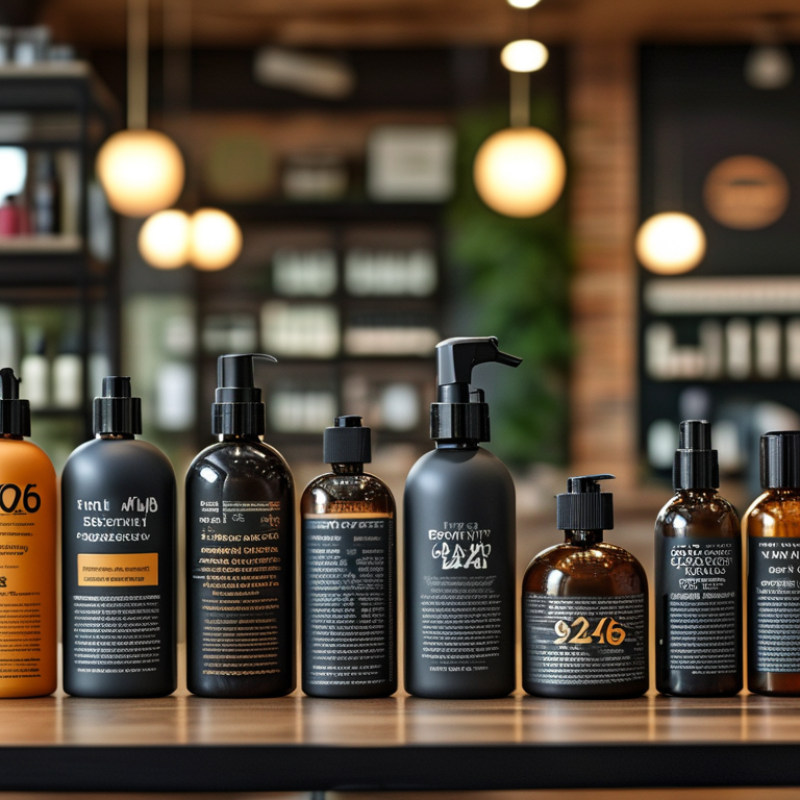
Private label hair cosmetics manufacturers are specialized companies that develop, produce, and package hair care products for other businesses. A salon, retailer, or online seller sells these products under its own name. The manufacturer may provide ready-made formulas or create a formula with specific textures, scents, and performance goals. Common products include shampoos, conditioners, hair masks, oils, and styling creams. The production partner usually coordinates ingredients, filling, labeling, and quality checks. That distinction matters.
A reliable manufacturer should provide ingredient specifications, batch records, stability information, and microbiological testing when appropriate. Quality staff should verify incoming materials and inspect finished products. They should also explain minimum order quantities, production schedules, packaging options, and storage conditions. Packaging needs practical testing. A leaking pump can ruin a good formula. Claims deserve caution. Words such as “repairs damaged hair” may require strong evidence and careful regulatory review. Requirements also differ between markets, so written compliance support is valuable.
In practical product development, sample testing should examine texture, scent, spreadability, rinse feel, and package performance. Check every detail. A small pilot batch can reveal separation or filling problems before larger production begins. Manufacturers should share clear procedures based on recognized cosmetic quality systems, such as ISO 22716 where applicable. Communication is part of quality. If a supplier avoids technical questions, treat that as a warning. Still, no factory is perfect. Even strong systems can miss an unusual issue, so buyers should record complaints, review each batch, and keep approval samples for comparison.
How to Evaluate Hair Cosmetics Manufacturers in 2026
Evaluating hair cosmetics manufacturers in 2026 requires more than comparing price lists. Grand View Research valued the global hair care market at approximately USD 91.6 billion in 2023. This growth increases supplier competition, but it also makes quality claims harder to verify. Ask for production records, ingredient specifications, batch traceability, and recent microbiological test results. A polished sample is not enough.
Check whether the facility follows recognized cosmetic good manufacturing practices, such as ISO 22716. Review stability data under heat, humidity, and freeze-thaw conditions. These tests reveal whether a shampoo separates or a conditioner changes texture during transport. Request evidence for every claim, including “repair,” “anti-breakage,” or “natural.” Marketing language can outrun laboratory proof. Numbers can mislead.
Capacity deserves equal attention. Confirm minimum order quantities, filling-line capacity, packaging tolerances, and realistic lead times. McKinsey’s beauty market analysis projects the global market could approach USD 590 billion by 2028, putting pressure on reliable production and flexible replenishment. Conduct a video audit, then arrange an independent inspection when possible. Test it twice. A supplier may pass one sample and still fail during scale-up. Review complaint handling, recall procedures, worker safety, and regulatory support across each target market. My practical mistake was trusting a fast quotation before checking formulation ownership and change-control terms. That shortcut can become an expensive lesson.
Key Certifications, Quality Standards, and Production Capabilities
In 2026, leading private label hair cosmetics manufacturers will be judged by more than attractive packaging. Buyers should request current ISO 22716 Good Manufacturing Practice records, ISO 9001 quality systems, and documented product safety procedures. Certifications must match the actual facility and production scope.
Reliable manufacturers maintain controlled water systems, calibrated filling machines, and clean storage areas. Their laboratories should perform stability, viscosity, pH, preservative, and microbiological testing. Batch samples need clear lot codes and retention records. This detail supports traceability when a formula or package requires investigation.
Regulatory knowledge is equally important. Manufacturers should provide ingredient documentation, safety assessments, claims support, and market-specific labeling reviews. Compliance requirements differ across regions, so a single certificate cannot guarantee global acceptance. That is an easy mistake.
Production capability also matters. Ask about minimum order quantities, pilot batches, bulk compounding, filling formats, and packaging compatibility. A capable partner can scale from small test runs to commercial production without changing the formula unexpectedly. However, some factories present impressive equipment but weak communication. Request recent audit results, sample batch records, and realistic lead times before signing an agreement. A factory visit, when possible, reveals practical conditions that brochures often hide.
2026 Top Private Label Hair Cosmetics Manufacturers: Certification and Compliance Frameworks
Reference framework mix for evaluating private-label hair cosmetics manufacturing partners
This chart classifies six widely relevant frameworks without using company or brand data. ISO 22716, ISO 9001, ISO 14001, and ISO 45001 are voluntary management or manufacturing standards that may be certified. EU Regulation 1223/2009 and the U.S. Modernization of Cosmetics Regulation Act are legal compliance frameworks rather than certifications. Certification status should always be verified directly with the manufacturer and the relevant certification body.
References: ISO 22716, ISO 9001, ISO 14001, ISO 45001, EU Regulation 1223/2009, U.S. MoCRA.
How to Choose the Right Private Label Manufacturing Partner
Choosing a private label hair cosmetics manufacturer in 2026 requires more than comparing price lists. The right partner should explain formulation limits, ingredient sourcing, testing, and production controls in plain English. Ask for current certifications, facility audit access, batch records, and stability data. Do not accept vague claims. Ask for evidence. A reliable manufacturer also understands your target market’s labeling, safety, and advertising requirements. Requirements differ across regions, so written compliance support matters.
Evaluate the product, not only the sales presentation. Request lab samples, then test texture, scent, rinse feel, packaging compatibility, and performance over time. Check whether the formula changes between sample and pilot batch. That detail can become expensive. Discuss minimum order quantities, lead times, artwork approvals, filling tolerances, and procedures for damaged goods. Strong partners identify risks before signing. Weak ones promise everything quickly. Fast is not always ready.
Technical communication should continue after launch. Review complaint handling, retained samples, recall procedures, and response times. A shared specification sheet prevents arguments about color, viscosity, or fill volume. Cost still matters, but the cheapest quote may hide testing gaps or rigid change fees. I would also interview two existing customers, where permission is available. Their feedback may be less polished and more useful. No evaluation is perfect; a missed question can reveal a process weakness in your own team. Test before scaling.